
kitchen
Best Kitchen Shelf Liners for Cabinets and Drawers
Quick note before we start: only one internal URL was provided in the prompt despite the "two internal links" instruction, so we placed that URL twice with two...
Maren Kvist
Kitchen & Organization Editor
Maren approaches home organization the way an engineer approaches a system: find the bottleneck, fix it, make it repeatable. She covers kitchen design, bathroom organization, and storage solutions that work in real homes with real mess.
Quick note before we start: only one internal URL was provided in the prompt despite the "two internal links" instruction, so we placed that URL twice with two...

We'll write the guide directly below. Note: you mentioned "the two internal links provided" but only one URL appeared in the prompt as a format example. We've...

Sound isolation is governed by mass, decoupling, and damping. Sound-dampening drywall and mass loaded vinyl achieve acoustic transmission loss through different physical mechanisms. This lab report maps the STC ratings, frequency behavior, and installation requirements that determine which material solves which noise problem.

Wood stain color comes from either dissolved dye molecules that penetrate the wood cell structure or suspended pigment particles that fill the surface pores. The difference determines UV durability, grain clarity, penetration depth, and the reversibility of the color treatment.

Drawer slide performance is governed by bearing geometry, steel hardness, rail geometry, and load rating engineering. This lab report maps the mechanical differences between ball-bearing and undermount slide systems, and defines the specifications that determine long-term performance.

Silane and siloxane water repellents work through different penetration mechanisms and produce different protection profiles on porous stone, concrete, and masonry. This lab report maps the molecular chemistry, substrate compatibility, and performance limits of each system.

Outdoor fabric water resistance degrades because most of it is a surface treatment. This lab report examines the chemistry of DWR coatings, fiber-level hydrophobic treatments, and the contact angle science that determines when a fabric stays dry and when it wets out.

Concrete sealer selection is not a matter of brand preference. It is a matter of chemistry. The molecular weight of the active compound determines whether the sealer penetrates the concrete matrix or forms a surface film, and that distinction controls every downstream performance variable: durability, maintenance cycle, failure mode, and applicable substrate.

Caulk fails through two independent mechanisms: cohesive failure within the elastomer matrix and adhesive failure at the substrate interface. Both are predictable from polymer chemistry and substrate preparation physics. This lab report maps the elastomer degradation pathways and the conditions that determine service life.

Sound-dampening drywall achieves its STC advantage through viscoelastic polymer layers that convert acoustic vibration to heat. This lab report maps the damping mechanism, frequency-dependent loss factor, and assembly design variables that determine real-world acoustic performance.

Specific heat capacity, thermal conductivity, and thermal mass govern how sink materials respond to temperature changes during dishwashing, noise generation, and thermal shock from cookware. This lab report quantifies the differences between stainless steel, fireclay, and granite composite sinks.

Most ceramic tile failures trace back to the subfloor, not the tile or the grout. The L/360 and L/480 deflection standards define the maximum allowable flex in the floor assembly. Understanding what they mean, and how to measure and achieve them, is the foundational step in any tile installation that is expected to last.

Porcelain tile failure is almost never a tile failure. It is a substrate or adhesive failure. This lab report maps the cement chemistry, polymer modification, and surface preparation protocols that determine whether a porcelain installation lasts 30 years or fails within 3.

A home office wall that is acoustically treated but not thermally analyzed may become a mold problem within two years. This lab report maps the physics of thermal bridging, condensation at the dew point, and the correct vapor barrier specification for different climate zones.

Thermal conductivity governs how stone feels underfoot, how it performs as a cooking surface, and how it responds to radiant floor heating. This lab report quantifies the difference between granite, marble, and slate across conductivity, specific heat, and thermal diffusivity.

Granite and soapstone are both used as cooking and countertop surfaces, but their thermal behavior differs in ways that matter for installation, daily use, and failure prevention. This lab report quantifies the difference.

UV radiation cleaves polymer chains, photooxidizes dye chromophores, and fragments fiber structure through mechanisms that vary dramatically by fiber type. This lab report maps the photodegradation chemistry of polyester, acrylic, polyolefin, and solution-dyed fibers, and quantifies the protection each approach provides.

Rattan and synthetic resin wicker look similar in a showroom and fail through completely different mechanisms. One hydrolyzes and biodegrades under UV and moisture. The other photo-oxidizes at the polymer chain level. This lab report maps both degradation pathways and identifies the specification choices that determine outdoor service life.

Cabinet hinges are precision mechanical components engineered to specific torque and load ratings. When those ratings are exceeded or the wrong hinge type is selected, the failure is predictable and progressive. This lab report defines the engineering parameters that separate durable cabinetry hardware from early failure.

Floor squeaks are not random. They are the acoustic signature of specific mechanical failure modes in the subfloor-joist assembly. This lab report maps the physics of each failure type and provides the diagnostic and repair approach for each scenario.

Glass countertops fail not from everyday use but from a phenomenon called thermal shock—a differential temperature stress that exceeds the material's tensile strength. This lab report deconstructs the physics of glass failure and defines the specifications that separate durable countertops from fragile ones.

Every new material installed in your home off-gasses. The question is not whether, but for how long, at what concentration, and which specific compounds. This 12-month longitudinal study maps the off-gassing curves of the most common interior renovation materials against established health thresholds.

Furniture labeled 'wicker' can be made from natural rattan, genuine willow, paper fiber, or petroleum-derived synthetic resin. These materials fail at completely different rates. This lab report breaks down what you are actually buying and what durability to expect from each.

Volatile Organic Compounds are the hidden cost of cheap paint. This lab report explains the chemistry behind VOC off-gassing, what zero-VOC actually means, and why premium formulations perform better on every measurable axis.

A functional laundry room reduces the time you spend there. These are the storage and layout changes—most under $50—that cut laundry time from an hour to twenty minutes.

We tested 18 spice storage systems for visibility, access speed, and container integrity. Gneiss magnetic wins for active cooks. Rev-A-Shelf drawer insert wins for large collections. OXO Pop wins for uniformity.

A large wall mirror does more work per square inch than almost any other decorative purchase. We tested 28 mirrors across frame construction, mounting hardware, and glass quality to find the ones worth buying.

Layering rugs adds depth, warmth, and texture to any room — but there's a right way to do it. Here's how to combine rugs without making a mess of your floor.

Accent walls work when they're intentional and material-driven. Here are the approaches that hold up — from paint to paneling to wallpaper — and the rooms where each technique makes the most sense.

A bar cart is one of the most versatile pieces in a living room — mobile storage, a conversation starter, and a styling opportunity all at once. Here are the best ones at every price point.

The right bath mat keeps your floor dry, adds warmth underfoot, and pulls the room together. Here are the best options across every material, price, and bathroom style.

Mismatched bathroom accessories are one of the easiest things to fix and one of the most overlooked. Here are the best sets and individual pieces to build a cohesive, well-finished bathroom.

Before we draft, we need the two internal links you mentioned. They aren't included in your message, so we'd be guessing at the anchor text and URLs. Could you...

A dark closet makes getting dressed harder than it needs to be. Here are the best closet lighting options — from no-install LED strips to hardwired overhead fixtures — with recommendations at every budget.

Plants on your desk aren't just decorative. The right ones improve air quality, reduce stress, and actually survive the conditions of an office. Here are the ones worth buying.

The right rug makes a covered patio feel like a real room. These indoor-outdoor options hold up to humidity, sun, and foot traffic while looking good enough to use inside too.

The right canisters keep dry goods fresh, counters organized, and your kitchen looking intentional. Here are the best kitchen canister sets and individual jars across every budget and style.

Most home cooks need three knives, not fifteen. Here are the best knife sets that actually earn counter space — and the individual upgrades worth buying separately.

A laundry hamper isn't glamorous, but a bad one creates mess and frustration every day. Here are the best options by type, material, and room — plus what to actually look for.

The right outdoor mat traps dirt before it enters your home, holds up through weather, and looks good doing it. Here are the best options for every entry type and climate.

A shower curtain does more design work than most bathroom elements. Here are the best options across styles — from minimalist linen to bold pattern — and what makes each worth the upgrade.

The space under your bed is the most underused storage in most homes. Here are the organizers, bags, and drawer systems that make it work — without creating a chaotic dusty void.

The wrong sofa fabric wears out in two years or cleans up badly. The right one ages well, handles daily life, and still looks good in a decade. Here's how to choose based on how you actually live.

The wrong outdoor planter cracks in one winter or fades in a single summer. Here's how to choose materials and sizes that work for your climate, plants, and aesthetic — and the specific products worth buying.

Throw pillows can make or break a sofa or bed. Here is how to choose the right sizes, fills, fabrics, and arrangements — without overspending or overdoing it.

Blinds and shades do more than block light — they shape the feel of a room. Here's how to choose the right type for each window based on light needs, privacy, insulation, and style.

The entryway sets the tone for your entire home. Here is how to build a system that keeps coats, shoes, bags, and keys organized — even in a tiny apartment.

A reading nook doesn't require a bay window or extra square footage. Here's how to carve out a dedicated reading spot in any room — with the right chair, lighting, and small touches that make you actually use it.

A home office should support focus and look good on video calls. Here is how to set up and decorate a workspace that balances function, personality, and calm.

A real deep clean goes beyond the weekly wipe-down. Here's a methodical approach to tackling every surface, fixture, and hidden corner — with the products that actually work.

Good dining room lighting transforms meals and gatherings. Learn how to layer light, hang pendants at the right height, and set the mood without a renovation.

Hotel beds look effortlessly perfect because they use specific techniques — not expensive linens. Here's the process, from the base to the final pillow arrangement, so your bedroom can look that way every morning.

The junk drawer isn't the problem — the lack of system is. Here's how to turn the catch-all drawer into a functional home for the things that actually need to live there, and keep it that way.

A bedroom dresser is equal parts storage and surface — and most people treat it as a catch-all. Here's how to style it like a designer with simple edits and a few considered objects.

Neutral bedrooms work — but only when the neutrals are chosen carefully and layered with texture. Here's how to build a calm, cohesive bedroom that doesn't feel like a beige void.

A fireplace mantel is one of the hardest spots to style well. Too little and it looks empty; too much and it looks like a shelf sale. Here's the approach that actually works.

A kitchen island can be your most hardworking surface or your most cluttered one. Here's how to strike the balance between practical storage, display, and the clean workspace you actually need.

A guide to balanced lighting. How to combine overhead, floor, and table lights for a functional, cozy living room.
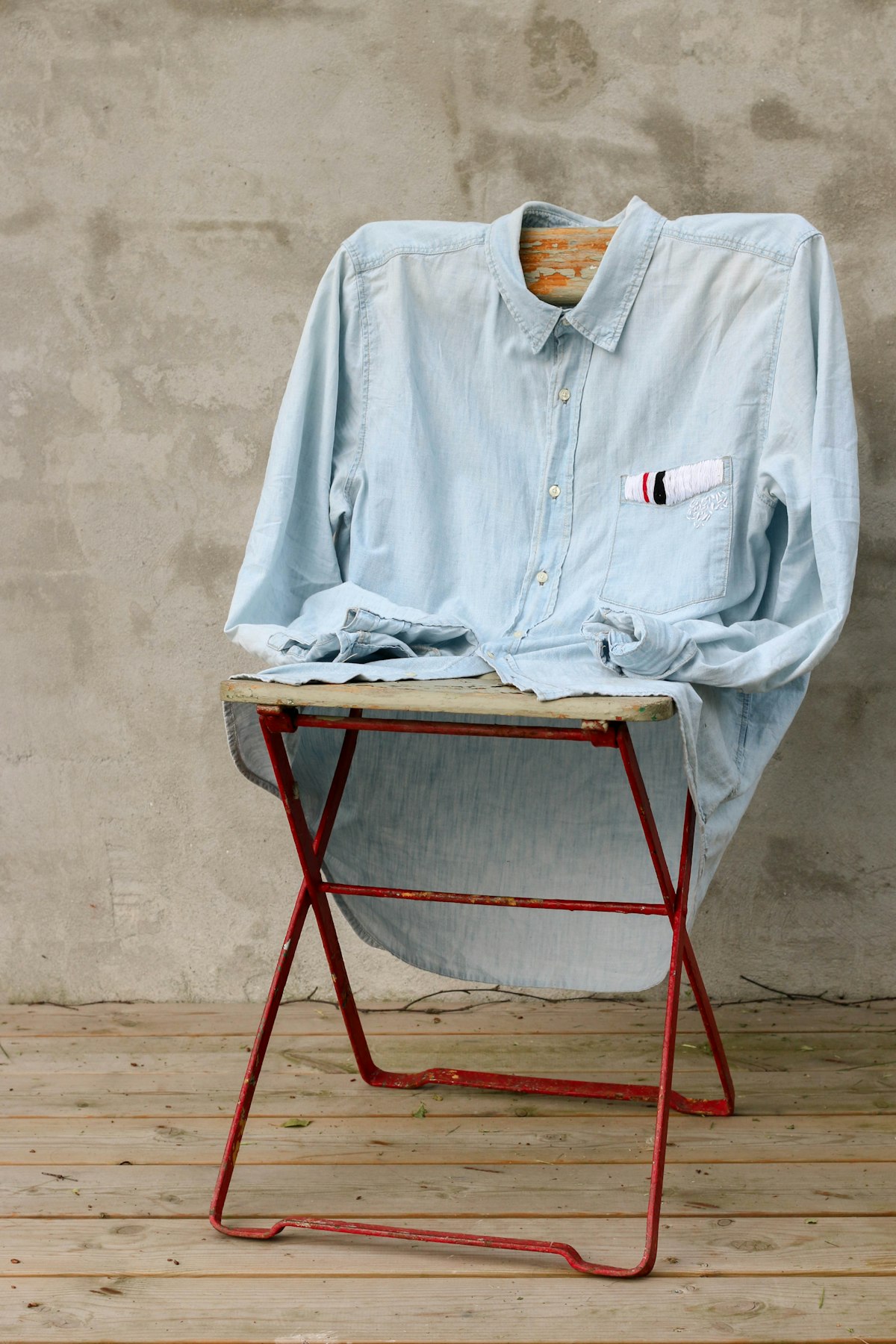
Both dominate design content right now. They wear and age very differently. A practical comparison of durability, maintenance, texture, and which household each one suits.

We tested 11 compact patio heaters on a 60 sq ft balcony for heat output, safety cutoffs, and energy efficiency. Electric infrared wins on safety. Propane wins on heat radius.

Design a small bathroom that feels spacious. We review the most effective layout strategies, fixture placement tips, and space-saving hacks.

Most pantry chaos comes from one mistake: no zones. Build a shelf-by-shelf system using categories, decanted containers, and a first-in-first-out rotation.

Desk clutter comes back within days of cleaning because there's no system behind the tidying. Build a zone-based desk setup that handles incoming work, active projects, and storage without recurring chaos.

Stop chasing trends. Start building a home that reflects your life, values, and evolving tastes. The complete guide to the slow decorating movement.

Protect your expensive outdoor furniture with these durable, weather-resistant covers.
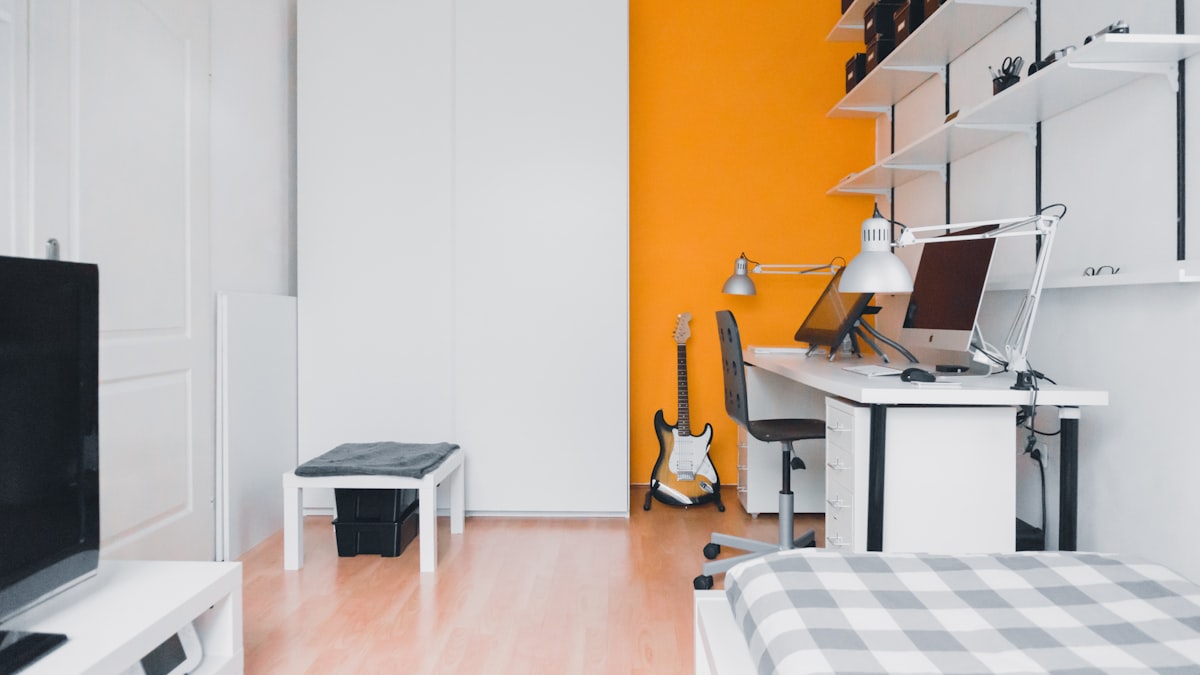
Neutral rugs are the easiest thing to get wrong. We tested 28 options across jute, wool, cotton, and polypropylene to find the ones that earn their floor space.
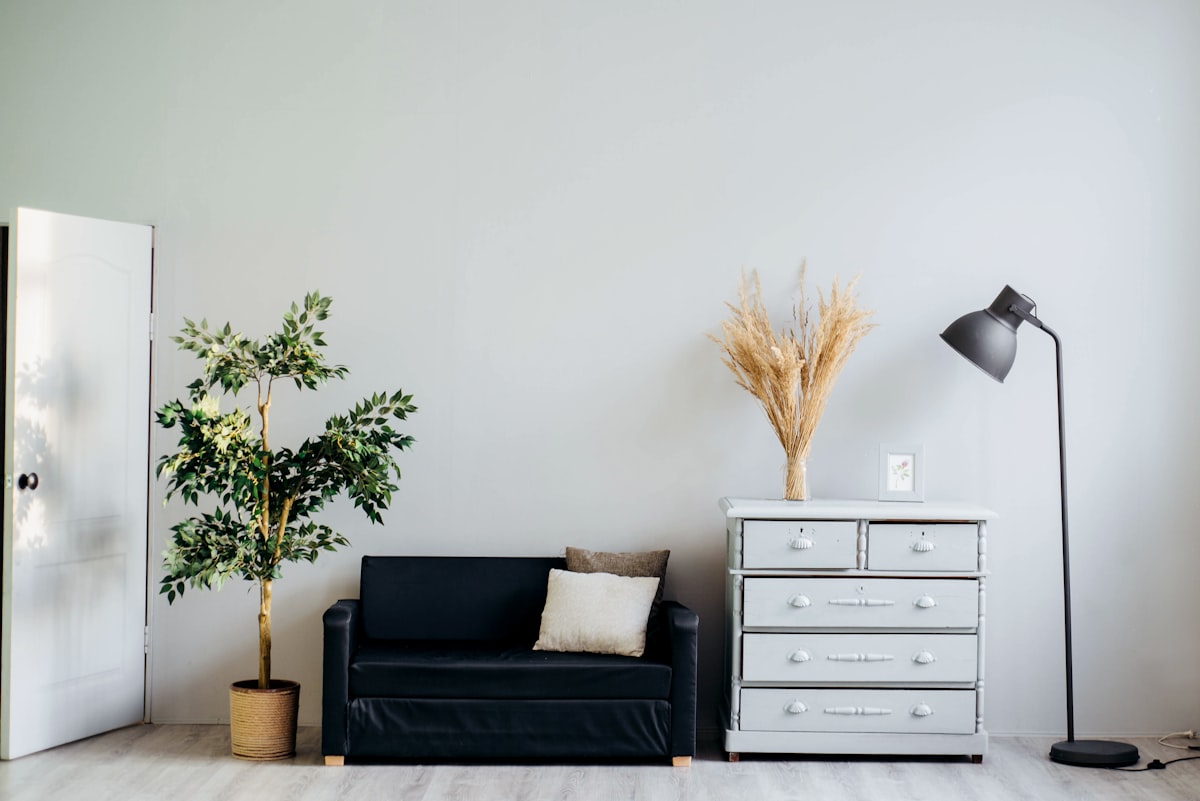
Linen and cotton curtains look different, hang differently, and age differently. Here is what separates them and when each one is the better choice.
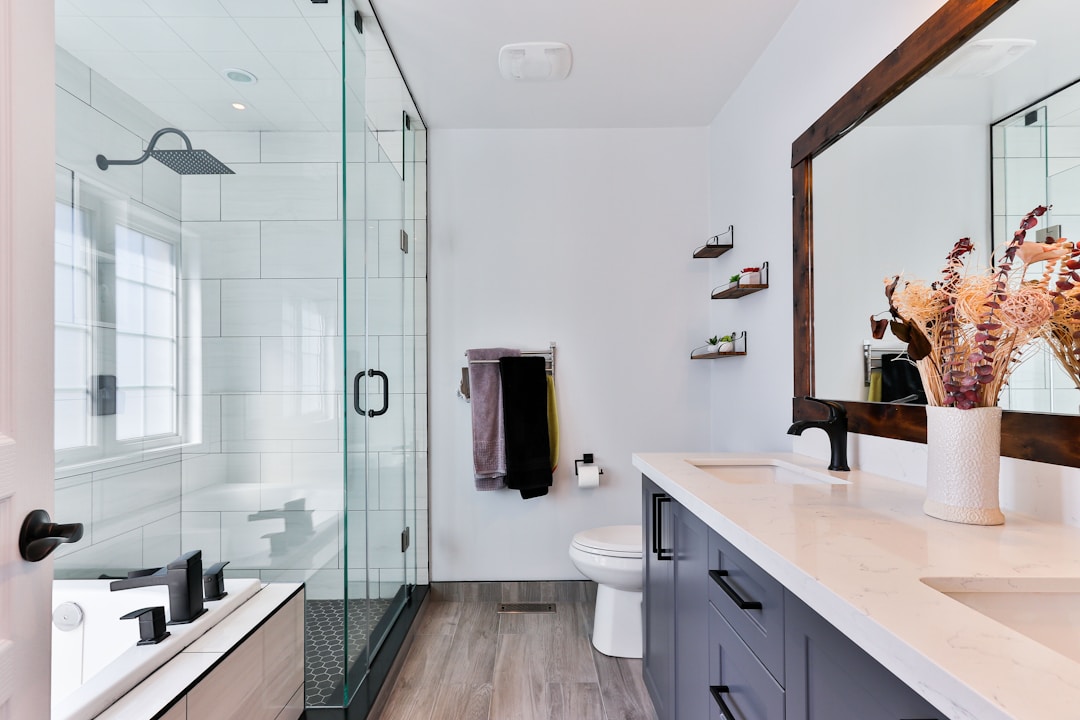
We tested bathroom storage cabinets for humidity resistance, fit, and shelf layout. Here are the ones worth buying.

A definitive guide to Scandinavian living room design, focusing on natural light, functional furniture, and organic textures.

Professional techniques for layering sheets, duvets, and pillows to create a plush, hotel-quality bed at home.
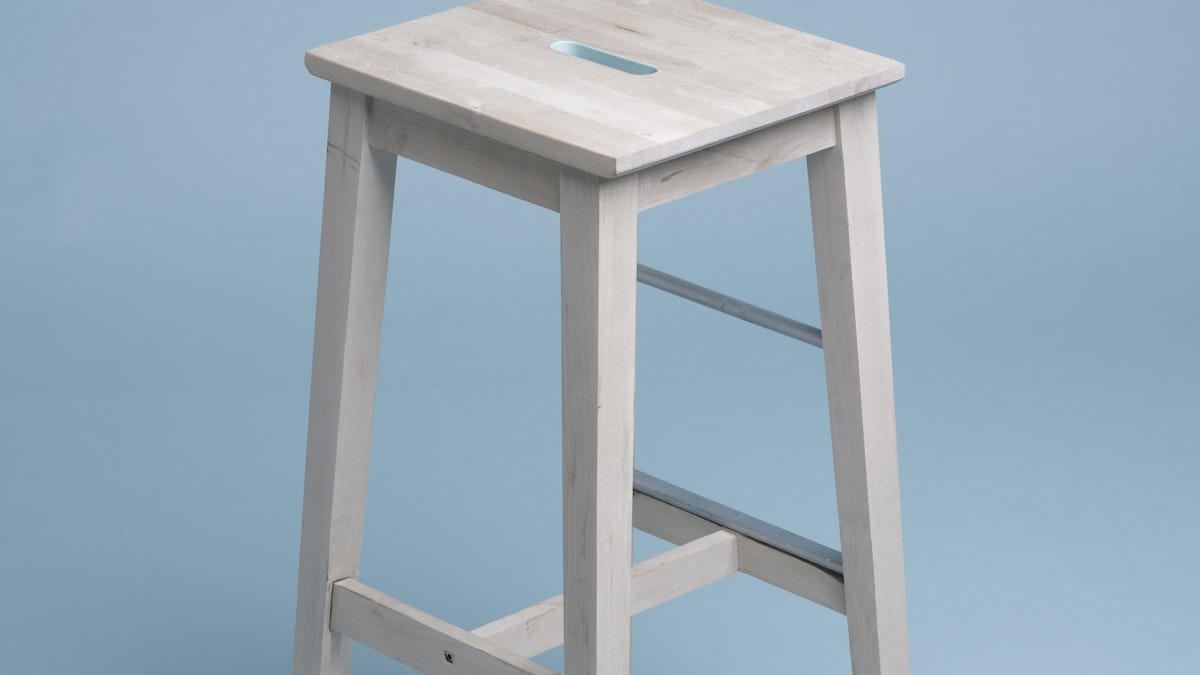
Hang curtains high and wide to make windows appear larger. Choose linen for filtered light, velvet for drama, and iron hardware to prevent sagging.

White bedding looks easy until you're dealing with gray tinges and mystery yellowing after six months. We tested 8 sets for crispness, softness, and long-term care reality.
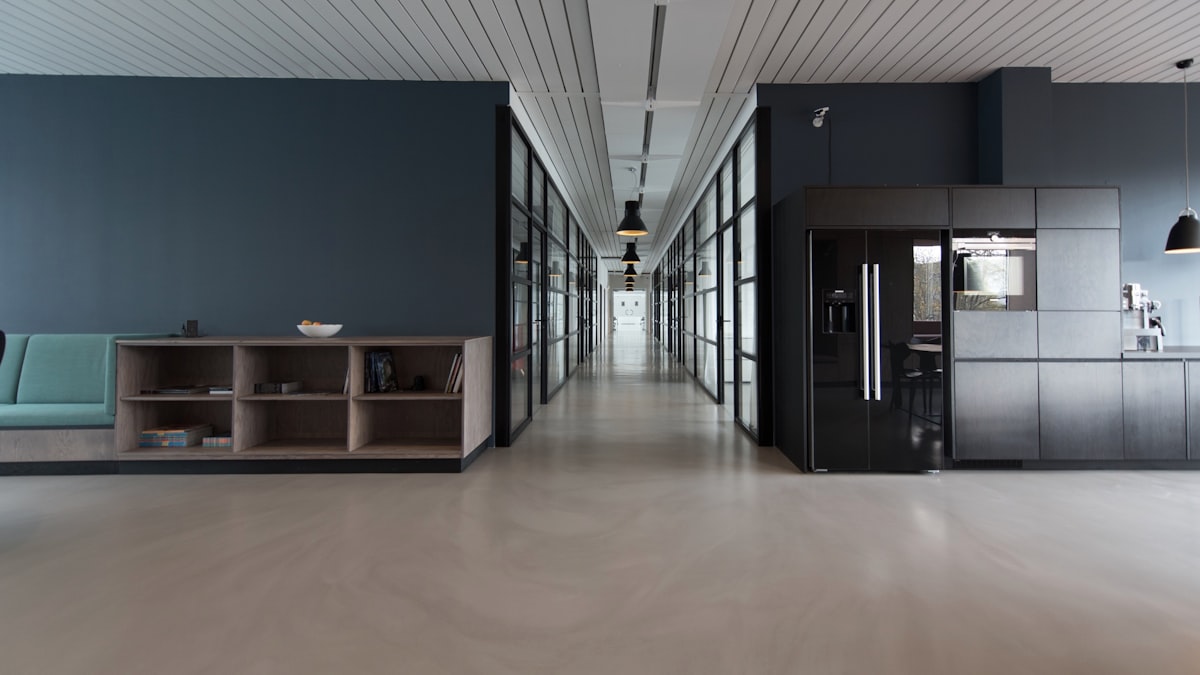
A technical evaluation of modular acrylic, trimmable maple, and tension-loaded dividers to optimize internal drawer volume and eliminate shifting.

We tested 10 desk lamps over three weeks to find the best options for reducing glare, eye fatigue, and screen strain.

We tested 12 cooling comforters for breathability, moisture management, and fill loft. Four are worth sleeping under.

Cable management shouldn't be hard. The BTOD Snake and StandUpDesk Tray proved best out of 25 systems tested.
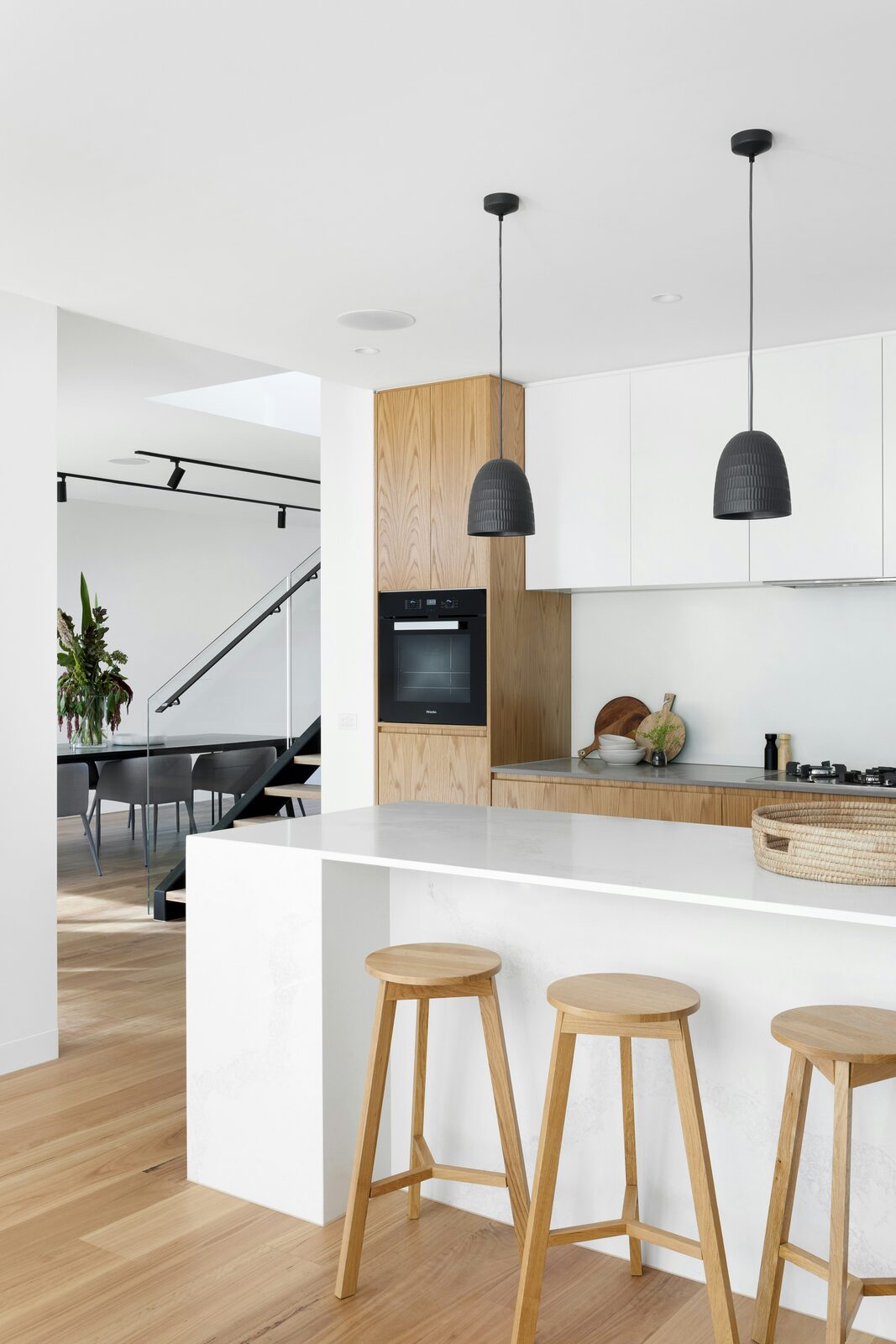
A bedroom rug must be soft under bare feet, warm against cold floors, and reasonably priced. We tested 40 rugs to find the best value.