Curtains are not a surface decision. They change how light moves through a room, how the room reads from the street, and how the whole visual composition of the space sits. The choice between linen and cotton affects all three in ways that show up in daily life, not just in photographs.
The short answer: linen curtains have a natural drape, texture, and relationship with light that cotton cannot replicate. Cotton curtains are more uniform, easier to clean, and better at light control when that is the priority. The best choice depends on how you weight aesthetics against practicality in that specific room.
How They Look: The Visual Difference
Linen
Linen is a natural plant fiber spun from flax. Its structure is irregular at a microscopic level, flax fiber has an uneven surface, a natural luster, and slight variation in weight across the weave. These irregularities accumulate into a characteristic look: a slight texture visible at close range, a slight irregularity in how the fabric catches light, and a softness in how it reads overall.
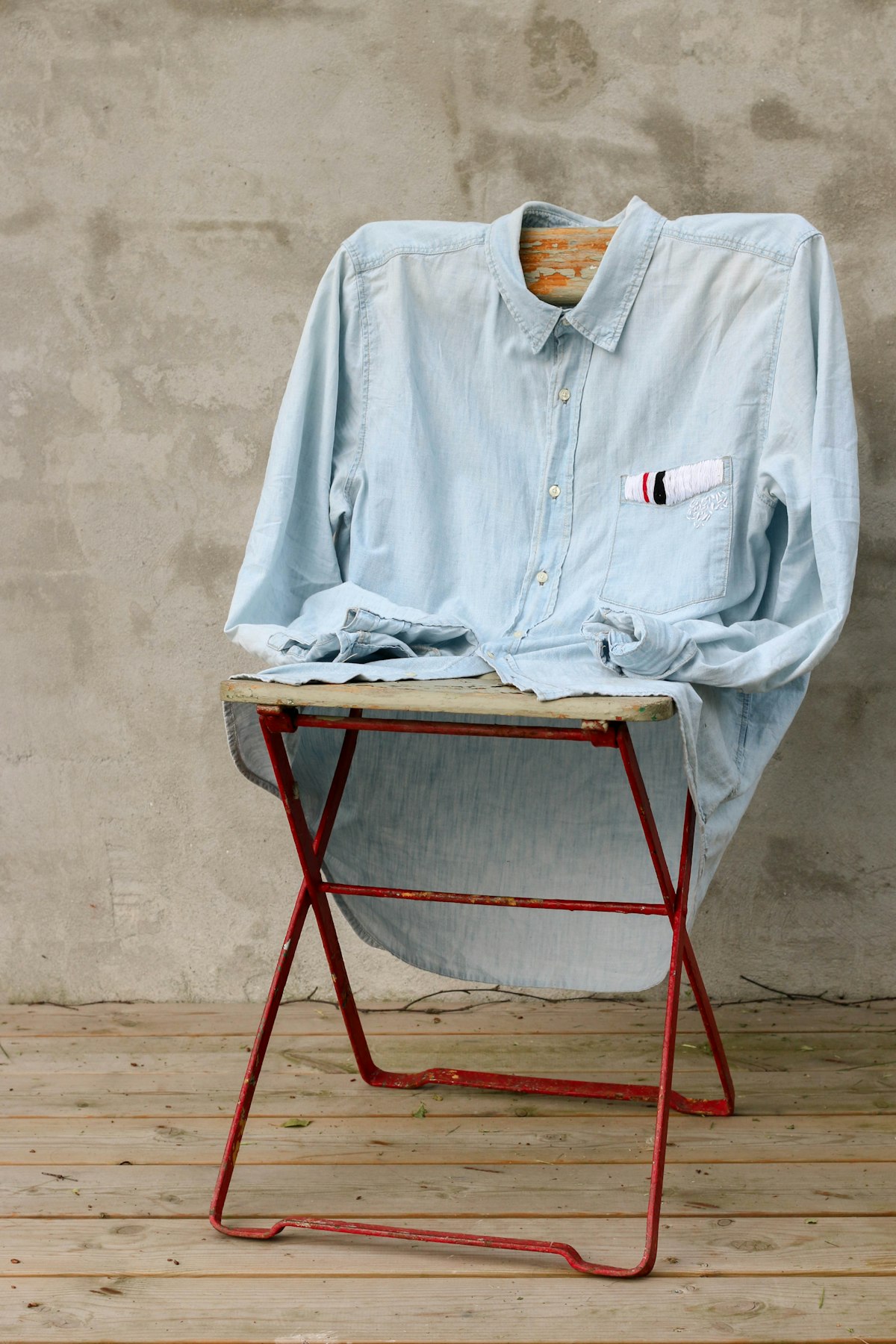
Linen wrinkles. This is not a defect. In curtains, the soft fold patterns that linen develops over time are the reason designers use it. The cascading, organic drape of a quality linen panel is a specific aesthetic that cannot be faked with cotton or synthetic alternatives.
In sunlight, linen glows softly rather than transmitting light sharply. The irregular fiber structure diffuses light across the surface, creating a warm, gentle luminosity rather than the sharper light transmission of cotton. In east-facing rooms in the morning or west-facing rooms in the afternoon, this quality is particularly apparent.
The color palette of linen reads warm: natural linen is a warm off-white (sometimes called flax, natural, or greige). Dyed linens tend toward warm neutrals, oatmeal, warm cream, dusty rose, terra cotta, warm olive. Linen doesn’t take a true white or a saturated cool tone as naturally as cotton does.
Cotton
Cotton is more uniform. The fiber is cleaner and more consistent. Cotton fabric in curtain weight reads as a crisper surface, it hangs with less texture and reflects light more evenly across the surface. The result is a sharper, more tailored look.
Cotton can be densely woven into blackout panels or lightly woven into sheers. The range of available weights, weaves, and finishes is wider than linen. Cotton takes dye uniformly, producing saturated, crisp colors and true whites that linen cannot match.
Cotton holds its shape better in high-humidity rooms. Cotton velvet, sateen, and jacquard weaves are cotton products that have specific textural qualities that linen doesn’t replicate.
The visual trade-off: cotton can look utilitarian in the wrong application. A cotton duck canvas panel, adequate for light blocking, can feel like a sail. Cotton without texture or weight reads as functional rather than considered.
How They Hang: Drape and Fall
Linen drapes better than most cottons. The weight and irregularity of linen fiber creates a specific fall, panels pool or break at the floor in a casual, natural way. The folds that develop are organic rather than geometric. This is what people are describing when they say a curtain looks “luxurious” or “relaxed.”
Linen also creases at the pinch points. Where a curtain is gathered at the heading and where it folds at rod level, linen will show visible crease marks. For formal pleated heading styles, this is less desirable. For relaxed rod-pocket or eyelet headers, the creases read as part of the character.
Cotton hangs more predictably. A medium-weight cotton sateen curtain falls in even folds with a light sheen. A cotton canvas panel falls straight and dense. Cotton is easier to control at formal pleated headers because it holds the pleat shape better.
The practical implication: linen is better for informal, relaxed heading styles (tab-top, eyelet/grommet, rod-pocket). Cotton is appropriate for formal, tailored styles (pinch pleat, inverted box pleat, pencil pleat) where precise fold control matters.
Light Control: What Each Material Does
Unlined linen provides soft, diffused light transmission. In daytime conditions, a medium-weight natural linen panel filters light into a warm glow without blocking it. This is ideal for living rooms and dining rooms where mood and atmosphere are priorities, and where full blackout isn’t required.
Linen is not a blackout material unlined. Even dark-dyed linen transmits light at the edges and through the weave. For rooms requiring good daytime blackout (bedrooms of people who work nights, nurseries, home theaters), linen must be lined with blackout fabric. Lined linen provides both the aesthetic quality of linen and the blackout function when required.
Cotton provides more predictable light control at equivalent weight. Dense weave cottons (canvas, sateen) block more light per mm of fabric thickness than equivalent linen weights. For light control as a primary objective, cotton is the more efficient choice.
Cotton sheers are generally more effective as privacy screens than linen sheers at equivalent density because the uniform weave structure diffuses view more evenly. Linen sheers at the same density transmit slightly more view due to fiber irregularities.
For a complete breakdown of how to layer different curtain types for control and atmosphere, see our guide on how to choose curtains.
Durability and Care
Linen
Linen is the more durable fiber across a 10–20 year horizon. Flax fiber is stronger than cotton under tensile stress and becomes stronger as it absorbs moisture, meaning washing doesn’t weaken it the way it does some textiles. Quality linen curtains can last two decades with proper care.
The maintenance requirements:
Washing: linen can be hand-washed or machine-washed on a gentle cycle in cold water. Hot water causes significant shrinkage. Pre-washed linen (sometimes sold as “washed” or “stonewashed” linen) has already undergone this shrinkage and is more stable dimensionally.
Ironing: linen wrinkles. If you want a smoother look, ironing is required after washing. Iron on the reverse side while the fabric is slightly damp for best results. Many linen curtain owners accept the natural wrinkle as part of the character; this is a valid position.
Bleach: never use chlorine bleach on linen. It weakens the fiber and causes yellowing. Oxygen-based brighteners are acceptable.
Sun fade: linen fades in direct, sustained sunlight over years. Natural and light-dyed linens show fade less dramatically than dark-dyed versions. For south-facing windows with sustained direct sun, a medium-weight fabric and UV-protective lining will extend color life.
Cotton
Cotton is familiar and easy to maintain. Standard cotton curtain panels can be machine-washed, handle wider temperature ranges, and respond well to ironing.
Cotton is more prone to UV degradation than linen in sustained direct sunlight. Thin cotton voile in a south-facing window can visibly weaken at fold points within 2–3 years of direct sun exposure. Linen handles the same exposure more gracefully.
Cotton shrinkage is significant without pre-washing. Most retail curtains arrive already shrunk to final dimensions. For custom workrooms, always pre-wash cotton fabric before making up panels.
Cost Comparison
Quality linen is more expensive than equivalent cotton at any weight. The cost premium reflects the more complex processing of flax fiber relative to cotton.
| Product Level | Linen (per panel, 84” / 213 cm) | Cotton (per panel, 84” / 213 cm) |
|---|---|---|
| Entry-level retail | $60–90 | $30–60 |
| Mid-range retail | $90–180 | $60–130 |
| Premium/custom | $200–600+ | $120–400+ |
Pre-washed linen commands a further premium (typically 15–20%) over equivalent unwashed linen, but eliminates shrinkage risk and softens the fabric pleasantly before first use.
The value argument for linen: the 10–20 year service life of quality linen, amortized over time, is often comparable to replacing entry-level cotton curtains every 4–5 years.
Room-by-Room Recommendations
Living Room
Linen is the natural choice. The aesthetic qualities, warmth, texture, soft light diffusion, are most valuable in a room designed for extended inhabitation. Medium-weight natural or warm-toned linen, unlined or interlined for some body, in a relaxed heading style.
Bedroom
Lined linen provides both the visual warmth of linen and adequate blackout when you need it. For light sleepers or city dwellers, use linen panels with a full blackout interlining. The combination is more expensive than lined cotton but delivers a better result aesthetically while meeting functional requirements. See our guide on how to create a sleep sanctuary for bedroom-specific window treatment decisions.
Kitchen
Cotton is the practical choice. Machine-washability matters in a cooking environment. Linen in a kitchen works but requires more frequent washing and the wrinkle after washing is more problematic in short, tie-top panels near food prep areas.
Dining Room
Linen at the window creates a cohesive surface when linen is also present at the table. The texture plays well with natural materials (wood, stone, ceramics) typical of a well-considered dining room.
Home Office
Cotton or linen depending on light requirements. If glare is a significant issue (screens facing windows), linen’s diffuse light transmission is more useful than cotton’s sharper transmission. If blackout is needed during video calls, lined cotton is the more cost-effective solution.
When to Choose Linen
- Rooms with a warm, natural material palette (wood, stone, rattan, ceramic)
- Living rooms and dining rooms where atmosphere takes priority
- When the curtain is a primary visual element and you want it to read as intentional
- When the room benefits from soft, diffused light rather than direct transmission
- In homes where the aesthetic values durability and natural aging
When to Choose Cotton
- Bedrooms where blackout is the priority (use thick cotton with blackout lining)
- Kitchens and high-humidity rooms requiring frequent washing
- When precise, tailored pleat styles are the heading choice
- When a specific color (true white, saturated tone) is required that linen doesn’t achieve
- When budget constraints make the linen premium difficult to justify
Related Reading
The Bottom Line
Linen curtains are worth the premium in rooms where aesthetics are the primary driver and the material’s specific qualities, natural texture, warm light diffusion, organic drape, serve the design. Cotton curtains are the appropriate choice when light control, cleanability, or color precision matter more than texture. The two materials are not interchangeable: choosing linen for its look and then being frustrated by wrinkles misunderstands what you’re buying. Choose linen because wrinkles are part of it.