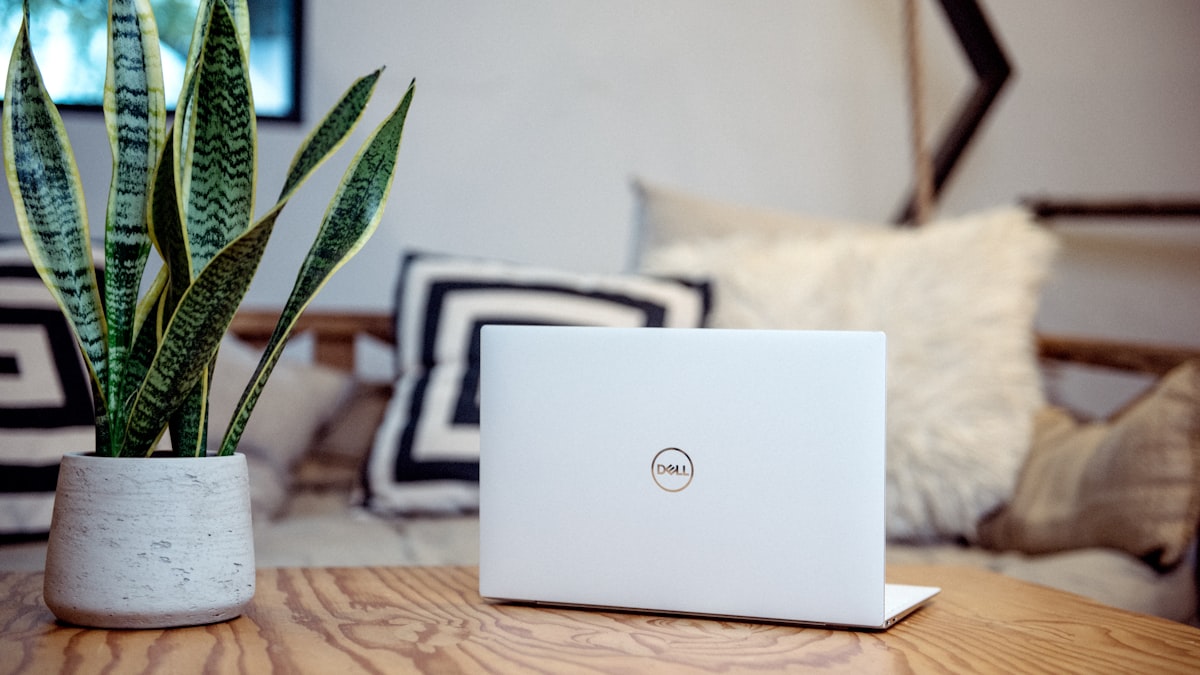
The case for desk plants is better than the clichés suggest. Studies from NASA and subsequent research have shown that indoor plants reduce airborne VOCs and particulates — relevant in home offices that tend to accumulate off-gassing from furniture, printers, and electronics. More practically, having something alive and growing at desk level provides a low-effort visual rest point during long screen sessions.
The problem is most people buy the wrong plants — ones that need more light than a standard desk provides, or more watering attention than a person staring at a monitor can reliably provide. Here are the plants that actually work on a desk.
What Desk Plants Need to Survive
Most indoor plants die from overwatering, not underwatering. In a closed home office with recycled air, soil dries slowly — a plant that needs watering weekly on a windowsill may only need it every two weeks on a shaded desk.
Light is the real constraint. A desk away from a window gets indirect light at best. Most tropical foliage plants tolerate this. Cacti, succulents, and most herbs need direct or bright indirect light — they’ll slowly die on a dark desk regardless of how attentive you are. Assess your actual light conditions before buying.
Pot size matters. A small desk plant in a large pot will stay wet too long and develop root rot. A plant in too small a pot dries out fast and needs constant watering. Match the pot to the plant’s root ball with 1–2 inches of clearance.
The Best Desk Plants
Pothos (Epipremnum aureum)
Best for: Low light, neglect tolerance
Pothos is the most forgiving plant you can buy. It tolerates low light, irregular watering, and outright neglect with minimal complaint. The trailing vines can drape off a desk shelf or climb a small support. It’s available in standard green, golden variegated, and neon green varieties — all equally tough.
Water when the top inch of soil is dry. That’s roughly every 1–2 weeks in a typical office environment. Light isn’t critical — a pothos will survive in quite dim conditions, though it grows faster with more indirect light.
Buy it: Most garden centers sell them for $5–20. The Costa Farms Pothos available on Amazon is a reliable starter plant.
Snake Plant (Sansevieria / Dracaena trifasciata)
Best for: Air quality, very low maintenance
Snake plants are architectural — they grow upright, take up minimal horizontal desk space, and look intentionally designed rather than decorative. They’re also among the most effective plants at converting CO2 to oxygen and tolerating neglect.
Water every 2–6 weeks depending on light and humidity. They’ll survive on fluorescent office lighting. Overwatering kills them faster than anything else — if in doubt, wait another week.
A small 4-inch snake plant fits on most desks without taking over. The Sansevieria Cylindrica variety has round, pointed leaves and a particularly clean minimal look.
Buy it: Costa Farms Sansevieria (various sizes, $10–35) or check local nurseries for the cylindrica variety.
ZZ Plant (Zamioculcas zamiifolia)
Best for: Very low light, forgetful waterers
ZZ plants store water in their rhizomes and tubers, making them drought-tolerant beyond most other houseplants. They grow slowly (which is appropriate for a desk plant) and the waxy, dark green leaves look polished rather than weedy.
Water every 2–3 weeks and fertilize once or twice a year. They tolerate fluorescent light adequately. The main downside is that they’re mildly toxic to pets and humans if ingested — not relevant for a desk plant out of reach of pets and children, but worth noting.
Buy it: Widely available at nurseries and online. The Rooted ZZ Plant on Amazon (~$20 for a 6-inch pot) is a consistent option.
Succulents (Various)
Best for: Bright light situations only
Succulents only belong on this list with a caveat: they need bright light. A desk next to a south or west-facing window in a sunny climate? Succulents thrive. A desk in the middle of a room with overhead LED lighting? They’ll slowly etiolate (stretch toward light, losing their shape) and eventually die.
If your desk gets good light, a small collection of succulents — Haworthia, Echeveria, Aloe — requires watering every 2–3 weeks, takes up minimal space, and propagates easily from leaves if you want more plants for free.
Buy it: Succulents Box subscription or individual plants ($5–15) from local garden centers. The Altman Plants Mini Succulent Collection (8 plants, ~$30) is a reliable mail-order option.
Philodendron Heartleaf (Philodendron hederaceum)
Best for: Shelves, trailing displays
Similar to pothos in care requirements but with a slightly more refined look — heart-shaped, darker green leaves on trailing or climbing vines. It tolerates moderate indirect light well and is highly forgiving about watering frequency.
The heartleaf philodendron looks particularly good in hanging planters above a desk or trailing from a shelf. It grows faster than ZZ or snake plants, which means you’ll get visible progress but also more trimming.
Buy it: Available at most nurseries for $10–25. Costa Farms Heartleaf Philodendron is consistently healthy.
Air Plants (Tillandsia)
Best for: No-soil, minimal footprint
Tillandsia don’t need soil — they absorb water and nutrients through their leaves, anchoring to whatever they’re placed on. On a desk, they sit in a small decorative holder (geometric wire stands, shells, driftwood pieces) and take up almost no space.
Mist them 2–3 times per week or soak in water for 20 minutes once a week, shake off excess water, and leave them in indirect light. They do need some light — a desk near a window or under a grow light works. Completely dark conditions will kill them slowly.
Buy it: Air Plant Supply Co. and The Succulent Source both sell quality Tillandsia varieties. A bundle of 5 assorted air plants runs $15–25.
Peace Lily (Spathiphyllum)
Best for: Low light, visible health indicator
Peace lilies are one of the few flowering plants that tolerate low light. The leaves droop visibly when the plant needs water, making it the easiest plant to read — you know exactly when to water rather than guessing. When watered, they perk back up within an hour.
They also produce white spadix blooms a few times a year with minimal effort. Note that peace lilies are toxic to cats and dogs, so avoid if pets have access to your workspace.
Buy it: Costa Farms Peace Lily (6-inch pot, ~$15) or local nursery.
Desk Plant Setup: What You Actually Need
A pot with drainage: Never plant a desk plant in a pot without drainage holes — standing water at the bottom is the fastest route to root rot. Use a saucer or planter that catches drainage.
A small watering can: A long-spout watering can (the Haws Patio Can or Rivet Metal Indoor Watering Can) lets you water precisely without splashing a keyboard or monitor. The long spout reaches into pots without disturbing the plant.
Well-draining soil: Standard potting mix works for most plants on this list. For succulents, add perlite to improve drainage. For ZZ plants and snake plants, cactus mix is ideal.
Fertilizer: A diluted liquid fertilizer once a month during growing season (spring and summer) is all most desk plants need. Miracle-Gro Indoor Plant Food or Espoma Organic Grow in liquid form — a few drops per watering.
A desk plant requires about 5 minutes of attention per week. That’s a reasonable trade for something that looks good, improves the air, and gives your eyes somewhere to rest that isn’t a screen.