The Short Answer
Choose organic cotton for immediate softness and easy care. Choose linen for breathability and long-term durability. Neither is objectively better. The right pick depends on how warm a sleeper someone is, how much texture they can tolerate, and whether wrinkled bedding causes distress.
Organic cotton percale feels crisp and smooth from the first night. Organic cotton sateen feels buttery and slightly silky. Linen feels textured and dry, almost like lightweight canvas, and takes 5 to 10 washes before it softens into the material people fall in love with. Hot sleepers gravitate toward linen. Those who want a hotel-smooth finish gravitate toward cotton.
This guide breaks down the fiber science, real-world sleeping experience, care requirements, pricing, and specific product recommendations for both materials.
How the Fibers Work
Organic Cotton
Cotton fibers come from the seed pod of the cotton plant. “Organic” means the cotton was grown without synthetic pesticides, herbicides, or genetically modified seeds, certified by Global Organic Textile Standard (GOTS) or USDA National Organic Program (NOP).
The key variable in cotton sheet quality is staple length. Long-staple cotton (1.25 inches and above) produces smoother, stronger, more pill-resistant sheets. Extra-long staple (ELS) varieties like Egyptian Giza 45, Supima (grown in the US), and Pima produce the highest-quality cotton sheets available.
Short-staple cotton, common in budget sheets, pills faster, feels rougher, and degrades more quickly in the wash. The price difference between a 200-thread-count short-staple set and a 400-thread-count long-staple set reflects real engineering differences, not marketing fluff.
Cotton is woven in two primary structures for sheets:
- Percale: A plain weave (one thread over, one thread under). Feels crisp, cool, and matte. Think of a fresh hotel sheet. Wrinkles moderately.
- Sateen: A satin weave (four threads over, one under). Feels smooth, slightly glossy, and warmer than percale. Drapes heavily. Wrinkles less but pills more over time.
Linen
Linen fibers come from the stem of the flax plant. Flax grows primarily in Western Europe (Belgium and France produce the highest-regarded fiber), requires minimal irrigation, and produces a fiber that is naturally thicker, stiffer, and more irregular than cotton.
Linen fibers are hollow. This is the critical structural difference. The hollow core allows air to circulate through the fabric, wicking moisture away from the skin and releasing it into the air. Cotton absorbs moisture too, but holds it closer to the fiber surface. Linen disperses it.
The natural irregularities in flax fiber create the “slubs” visible in linen fabric. Those small bumps and thickness variations are not defects. They are inherent to the material and contribute to linen’s distinctive textured hand-feel.
Sleeping Experience: Side by Side
Temperature Regulation
Linen wins for hot sleepers. The hollow fiber structure and open weave create significantly more airflow than cotton. In summer, linen sheets feel noticeably cooler against the skin. In winter, linen’s moisture-wicking properties prevent the clammy feeling that cotton sheets sometimes produce when body heat builds under a heavy duvet.
Cotton percale is the cooler of the two cotton weaves. It breathes well and works as a solid year-round option. Sateen, with its tighter weave, retains more heat and is better suited to cooler climates or people who sleep cold.
| Factor | Organic Cotton (Percale) | Organic Cotton (Sateen) | Linen |
|---|---|---|---|
| Cooling | Moderate | Low to moderate | Excellent |
| Moisture wicking | Good | Good | Excellent |
| Warmth retention | Moderate | Higher | Low (but layers well) |
| Year-round comfort | Yes | Better for cool climates | Yes |
Texture and Hand-Feel
Cotton percale has a crisp, smooth finish. Sateen has a buttery, almost liquid drape. Both feel soft immediately out of the package.
Linen starts stiff. New linen sheets feel almost scratchy to people accustomed to cotton. After 5 to 10 wash cycles, the fibers break down slightly, and the fabric develops a soft, supple drape that many people find more comfortable than cotton. The break-in period is real. Expect 3 to 6 weeks of regular use and washing before linen reaches peak softness.
For sensitive skin, cotton is the safer starting point. Linen’s initial texture can irritate easily reactive skin until the fabric fully softens.
Wrinkle Factor
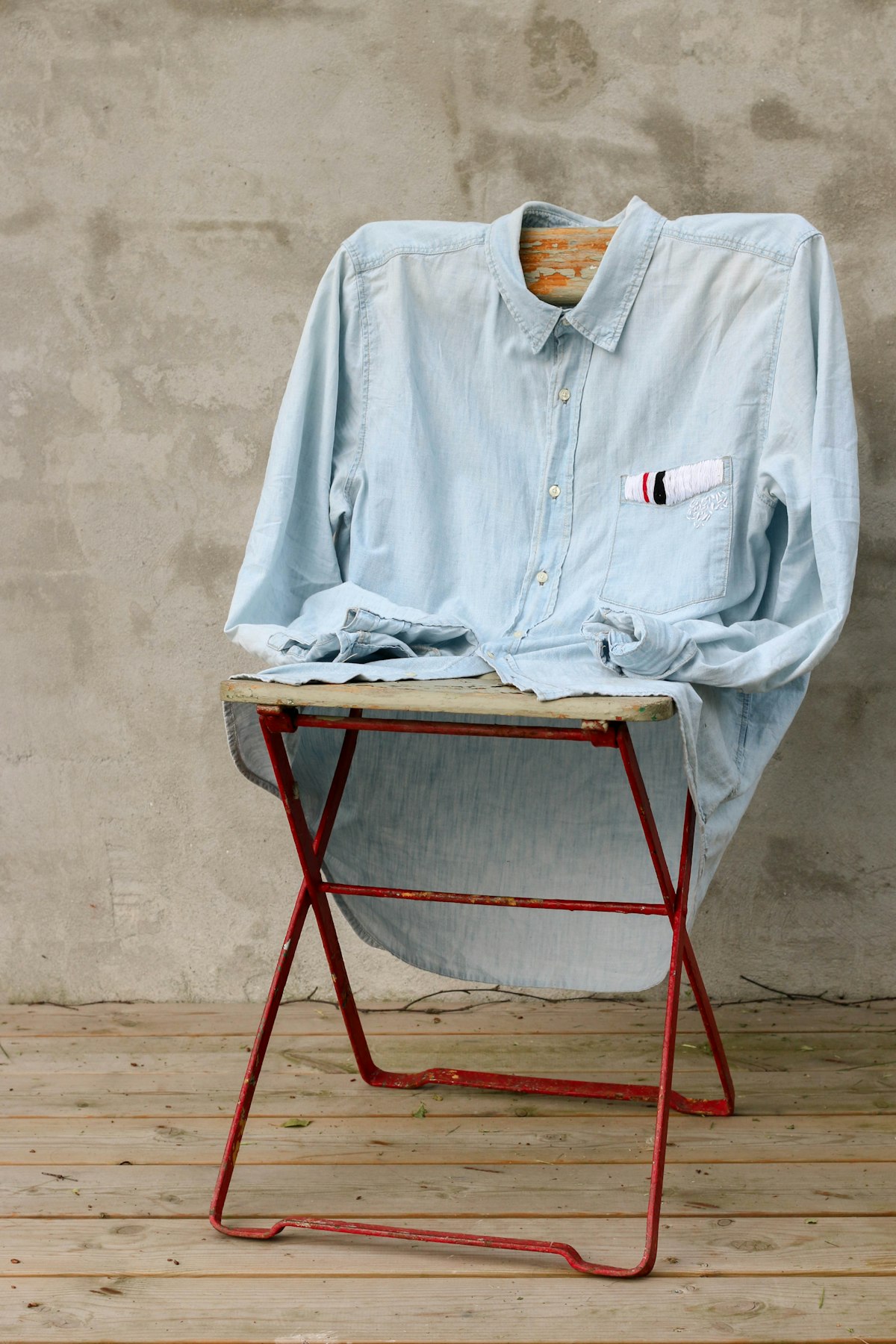
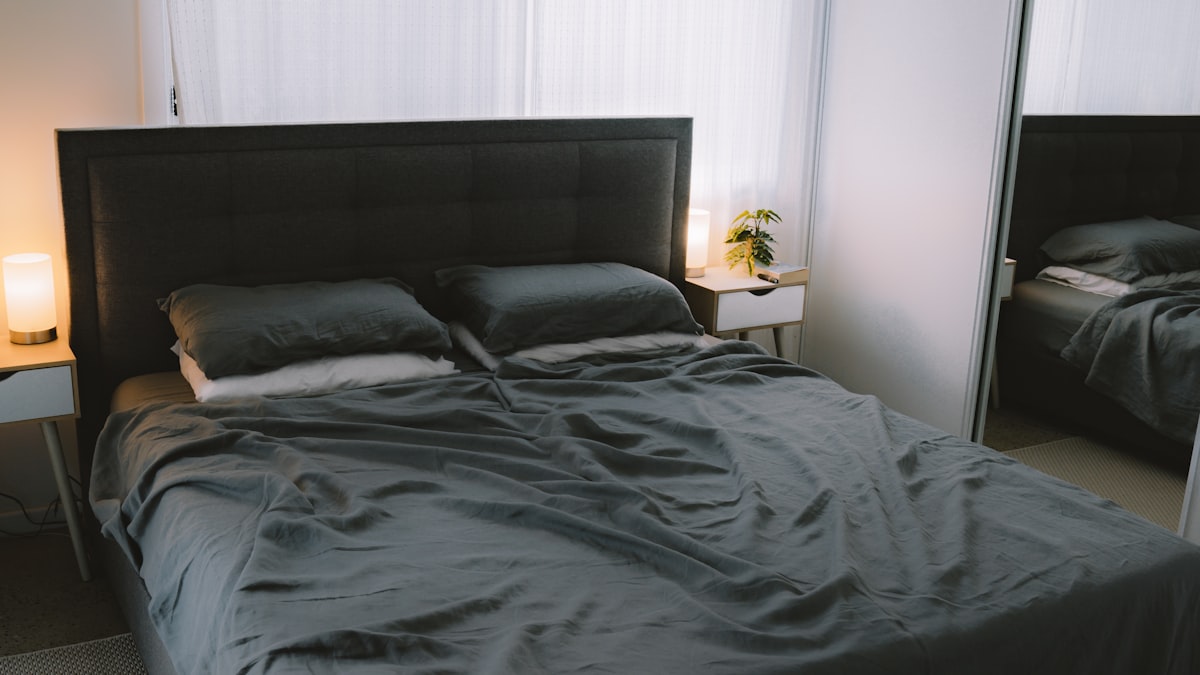
Linen wrinkles. A lot. This is not a defect. It is the nature of the fiber. Flax does not hold a pressed shape. A freshly made linen bed looks relaxed and rumpled within hours. For people who value a crisp, taut bed surface, this is a dealbreaker.
Cotton percale wrinkles moderately. Cotton sateen wrinkles the least of the three options. Ironing linen is possible but pointless, since the wrinkles return as soon as the fabric is handled.
Durability and Longevity
Linen is the more durable fiber by a wide margin. Quality linen sheets can last 15 to 20 years with proper care. The fabric actually improves with age, becoming softer and more supple with each wash cycle. Vintage linen is prized precisely because decades of use produce a hand-feel that new linen cannot replicate.
Cotton sheets last 3 to 7 years depending on quality. Long-staple and ELS cotton lasts longer. Short-staple cotton pills and thins within 1 to 2 years. Sateen weaves, because of their longer thread floats, are slightly more susceptible to pilling and snagging than percale.
| Durability Factor | Organic Cotton | Linen |
|---|---|---|
| Expected lifespan | 3 to 7 years | 10 to 20 years |
| Pilling resistance | Moderate (percale better than sateen) | High |
| Softens with age | Slightly, then degrades | Significantly, for years |
| Tensile strength | Lower | 30% stronger than cotton |
| Cost per year of use | Higher (shorter lifespan) | Lower (longer lifespan) |
Care Instructions
Cotton
Cotton is forgiving. Machine wash warm or hot. Tumble dry low or medium. Remove promptly to reduce wrinkles. Avoid bleach on colored sheets. That is essentially the complete care guide.
Linen
Linen requires more attention. Wash on a gentle cycle in cold or lukewarm water. Hot water and aggressive agitation can cause excessive shrinkage and a harsh texture. Tumble dry on low for a short time, then air dry the rest of the way. Over-drying linen in a hot dryer makes the fiber brittle and rough.
Do not use fabric softener on linen. The chemical coating impairs the fiber’s natural moisture-wicking ability. White vinegar in the rinse cycle is a better alternative for maintaining softness.
Pricing and Specific Products
Sheet set pricing for a Queen bed (flat sheet, fitted sheet, two standard pillowcases):
| Brand | Material | Price (Queen Set) | Notable Feature |
|---|---|---|---|
| Brooklinen Classic | Organic cotton percale | $169 | Long-staple cotton, GOTS certified |
| Parachute Percale | Organic cotton percale | $189 | Oeko-Tex certified, deep pocket |
| Coyuchi Organic Sateen | Organic cotton sateen | $228 | GOTS certified, 300 thread count |
| Brooklinen Linen | 100% European flax linen | $279 | Pre-washed, minimal break-in |
| Cultiver Linen | 100% European flax linen | $360 | French flax, stone-washed |
| Rough Linen Smooth | 100% European flax linen | $398 | Handmade in California |
| Quince European Linen | 100% European flax linen | $120 | Direct-to-consumer value pick |
The Quince European Linen set at $120 is the best value entry point for trying linen. It uses the same European flax as sets costing three times as much. The trade-off is simpler packaging and fewer colorway options.
For cotton, the Brooklinen Classic set at $169 represents the quality floor for long-staple organic percale. Below that price, the cotton quality drops noticeably.
Standard US Sheet Dimensions
- Twin: 39 x 75 inches (99 x 190 cm)
- Full: 54 x 75 inches (137 x 190 cm)
- Queen: 60 x 80 inches (152 x 203 cm)
- King: 76 x 80 inches (193 x 203 cm)
- California King: 72 x 84 inches (183 x 213 cm)
Check the fitted sheet pocket depth. Standard is 15 inches (38 cm). If using a mattress topper, look for deep-pocket options at 17 to 18 inches (43 to 46 cm). Linen shrinks slightly with washing, so an extra inch of pocket depth is worth seeking out.
The Decision Framework
Choose organic cotton percale if:
- Immediate softness matters. No break-in period.
- A crisp, clean bed aesthetic is the goal.
- Low-maintenance care is a priority.
- The budget is under $200 for a Queen set.
- Sensitive skin makes texture risky.
Choose organic cotton sateen if:
- A silky, warm, heavy drape is preferred.
- The room runs cool.
- Wrinkle resistance matters more than breathability.
Choose linen if:
- Running hot at night is the primary sleep problem.
- The wrinkled, relaxed aesthetic is appealing (or at least tolerable).
- Long-term value matters. Linen costs more upfront but lasts 2 to 4 times longer.
- Patience for the break-in period exists.
Consider a linen-cotton blend if:
- The benefits of both materials sound appealing but neither fully fits. Blends (typically 55% linen, 45% cotton) offer moderate breathability with a smoother hand-feel and faster break-in. The Coyuchi Organic Linen Chambray set ($198 for a Queen) is a strong option in this category.
The Bottom Line on Value
Linen looks expensive up front. But a $280 linen set that lasts 15 years costs $18.67 per year. A $170 cotton set that lasts 5 years costs $34 per year. Linen is the cheaper option over its full lifespan.
That math only works if someone can tolerate the texture, the wrinkles, and the break-in period. For those who can, linen is the better long-term investment. For everyone else, quality organic cotton percale remains the gold standard for a reason. It is soft, it is easy, and it works from night one.