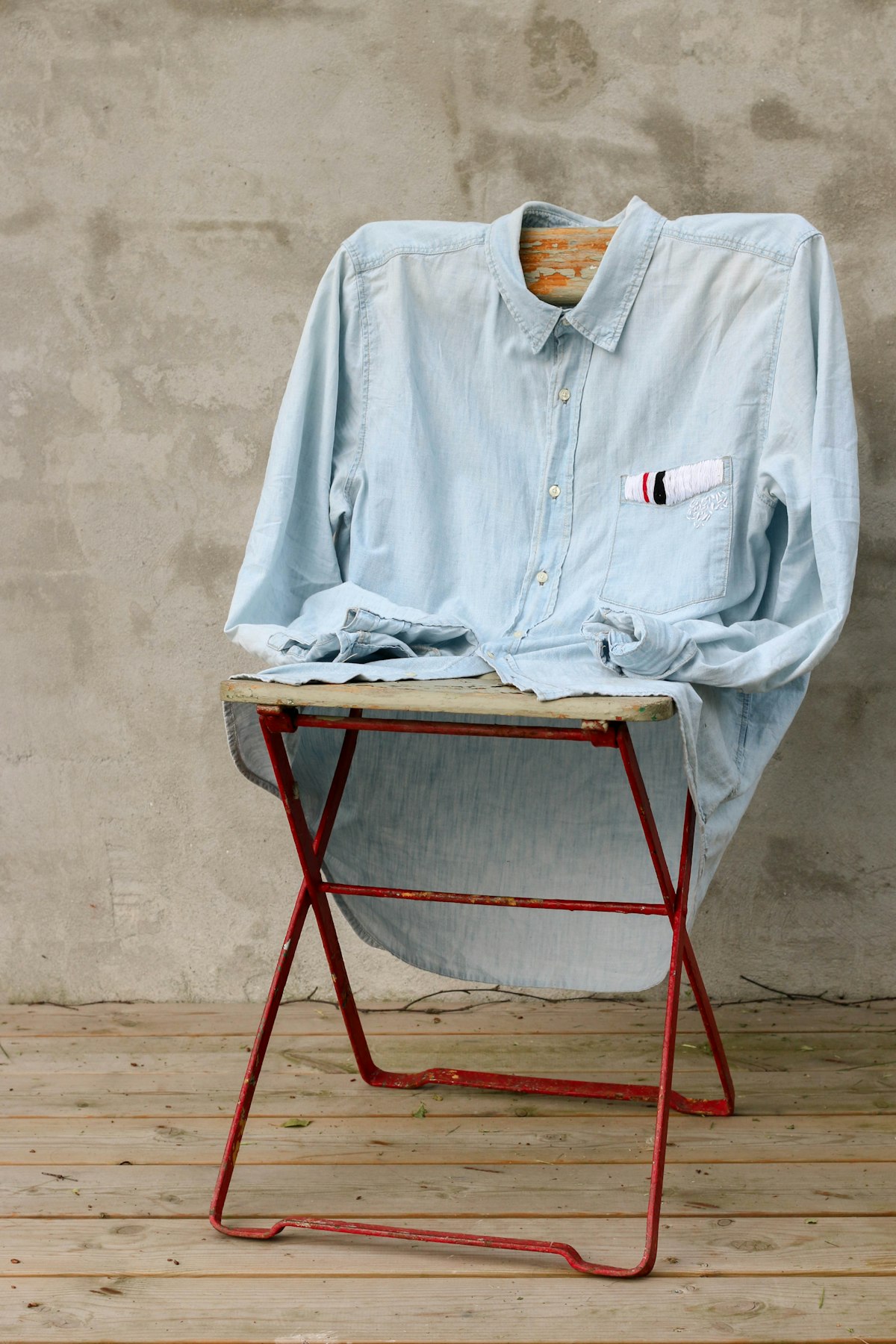
Linen curtains are everywhere right now, which means the market is full of options that are not actually linen. It also means that the things that make linen genuinely good — its drape, its light diffusion, its texture — are being approximated by synthetic blends that deliver a similar look without the substance.
This guide covers what real linen curtains do, how to choose them, and how to hang them so they look like what you’re picturing when you buy them.
What Linen Actually Is
Linen is a natural fiber made from the flax plant. It’s one of the oldest textile fibers in the world and has properties that synthetic alternatives can’t fully replicate:
Drape: Linen has a natural weight and hang. It falls from a curtain rod in relaxed, slightly irregular folds rather than stiff, precise pleats. This is what creates the “effortless” quality associated with linen curtains.
Light diffusion: Linen is semi-translucent in lighter weights. It filters light rather than blocking it, creating a soft, warm glow in a room during daylight. Heavier linen blocks more light but still diffuses more than an equivalent polyester.
Texture: The weave of linen has a visible, slightly slubby texture — irregular threads, small variations in the weave — that reads as natural and handmade. Polyester-linen blends smooth this out to varying degrees.
Wrinkle: Linen wrinkles. This is a feature, not a defect. The relaxed, slightly rumpled hang of linen curtains is part of the aesthetic. If you want crisp, smooth curtains, linen is not the right material.
What You’re Actually Buying
Most “linen curtains” listed at accessible price points are blends. The common ratios:
- 100% linen: Pure linen. The most expensive option. Maximum texture, drape, and light diffusion. Will wrinkle most prominently.
- Linen-cotton blend: Very common. Usually 55% linen / 45% cotton or similar. Slightly smoother than pure linen, somewhat more affordable, drapes nearly as well.
- Linen-polyester blend: Budget category. Often labeled as “linen-look” or “faux linen.” Significantly smoother texture, less natural drape, tends to hold its shape stiffer. Cheaper but considerably less characterful.
- 100% polyester with linen texture: Found in the lowest price tier. May visually approximate linen from a distance but lacks the weight, drape, and texture that make linen look good in person.
How to check: The product listing should state fiber content as a percentage. If it doesn’t, ask. If the price is very low (under $30 per panel), it is almost certainly polyester.
Choosing the Right Weight
Linen curtains are measured in grams per square meter (GSM) or described as sheer, light, medium, or blackout.
| Weight | GSM Range | Light Filtration | Best For |
|---|---|---|---|
| Sheer | 80–100 | High translucency | Privacy with bright light, layering with heavier curtains |
| Light | 120–150 | Semi-sheer | Living rooms, spaces where diffused light is welcome |
| Medium | 160–200 | Moderate filtration | Most residential applications |
| Lined linen | Varies | Significant reduction | Bedrooms, rooms facing strong afternoon sun |
For most living rooms: Medium-weight, unlined linen. Enough opacity for some privacy, enough translucency to preserve the natural light quality.
For bedrooms: Lined linen. An unlined linen panel in a bedroom facing east will let in significant light at sunrise. A blackout lining behind a linen face gives you the linen aesthetic from inside and outside without the wake-up-at-6am problem.
For layering: A sheer linen as the primary panel, with heavier drapes or blinds behind for when full privacy or darkness is needed. This is the most flexible approach for living spaces.
How to Hang Them Correctly
This is where most linen curtains fail. The wrong installation makes expensive curtains look cheap.
Height
Hang curtain rods high — 4 to 6 inches above the top of the window frame, or 1 to 2 inches from the ceiling if the ceiling is low. This elongates the window visually and creates the impression of higher ceilings.
A curtain rod positioned just above the window frame creates a squat, compressed look that no curtain material can overcome.
Width
The rod should extend 6 to 12 inches beyond the window frame on each side. When the curtains are open, they frame the window without blocking the glass. This is standard practice but frequently missed.
The result of a rod that doesn’t extend far enough: curtains that block the edges of the window when open, reducing natural light and making the window look smaller.
Length
Linen curtains should either:
-
Just kiss the floor — ending within half an inch of the floor. This requires accurate measurement. Panels that hover an inch above the floor look like they were bought in the wrong size.
-
Pool slightly — 2 to 4 inches of extra length that pools on the floor. This is a more relaxed, romantic look appropriate for bedrooms and more casual spaces. It does collect dust and requires occasional shaking out.
-
Break slightly — 1 inch of contact with the floor. A classic tailored look.
What doesn’t work: curtains that stop at the windowsill, at mid-wall, or that are clearly too short and hovering above the floor by several inches. This is the most common curtain mistake and the hardest to fix without returning the curtains.
Measure from rod to floor before ordering, not from the window. Add the appropriate amount for your preferred length.
Training the Drape
Linen curtains ship folded and will need to be encouraged into their final hang. After hanging:
- Steam them on the panel (a handheld steamer works well) rather than ironing flat
- Arrange the folds by hand into the configuration you want
- Loosely tie them in position with a piece of string or a soft tie for 24–48 hours while the linen relaxes into the arrangement
- Remove the ties and the folds will largely hold
This is called training the curtains and it’s worth doing. Linen that has been trained hangs dramatically better than linen that has been hung and left to settle on its own.
Color Selection
Linen curtains work best in colors that relate to how linen actually looks naturally.
Undyed and natural tones — white, off-white, cream, oatmeal, natural greige — are the most versatile and are true to the material’s character. These tones diffuse light warmly and work in almost any room.
Earthy colors — sage, terracotta, dusty pink, warm charcoal — are popular and available from most manufacturers. They work well when the rest of the room’s palette is in the same warm register.
Cool colors — navy, slate, cool grey — are less natural to linen’s character and often look slightly off in practice. Linen is a warm fiber. Dyeing it in cool colors can make it look faded rather than intentional.
Avoid: Bright, saturated colors in linen. The texture of linen reads best in low-saturation colors. A bright red or cobalt linen curtain typically looks better on a website than in a room.
Where to Buy
Premium tier ($60–$120+ per panel): Rough Linen, Cultiver, RH, Pottery Barn, West Elm. These are likely to be genuine linen or high-quality blends. Check fiber content.
Mid-range ($30–$60 per panel): H&M Home, Ikea (Dytag is 100% linen), Target’s higher-end lines. Quality varies — read reviews for texture and drape feedback.
Budget ($10–$30 per panel): Usually polyester or low-percentage blends. May photograph well. In person, the drape and texture will not match the aesthetic you’re aiming for.
Ikea’s Dytag panels are a notable exception to the budget-means-polyester rule: they’re 100% linen at an accessible price point, hem reasonably well, and drape authentically. They need steaming and training like any linen, but the material is genuine.
Linen curtains are a high-return investment in a room. They add warmth, texture, and a sense of quality that most other window treatments don’t deliver at equivalent cost. The key is buying real linen (or a quality blend), hanging it correctly, and taking the 20 minutes to steam and train the panels after hanging. The difference between linen that’s been properly installed and linen that’s just been hung is enormous — and it’s all in the execution.