Choosing the right patio furniture material is the single most important decision for your outdoor space. It dictates lifespan, maintenance effort, and daily comfort. Teak, aluminum, and resin wicker each offer distinct advantages and drawbacks.
Your climate plays the biggest role in this decision. Aluminum rules in humid coastal areas. Teak excels in moderate climates where you want lifetime durability. Resin wicker provides the easiest upkeep for high-traffic decks.
Teak: The Natural Heavyweight
Teak is the gold standard for outdoor wood. It contains high levels of natural oils, which make it exceptionally water-resistant and impervious to rot and insects.
- Pros: Extremely durable (lasts 30+ years), wind-resistant due to weight, natural aesthetic.
- Cons: High initial cost, requires annual oiling if you want to maintain the original golden-honey color.
Takeaway: If you hate maintenance, let it grey. Teak naturally weathers to a beautiful, silvery-grey patina. It requires zero oiling if you accept the grey look. It is functionally identical; the patina is just aesthetic.
Aluminum: The Lightweight Champion
Aluminum is the modern favorite for a reason. It is the only metal used for outdoor furniture that truly resists rust. Steel and iron will eventually rust, even with a powder coat. Aluminum just develops a light patina that protects the metal from further corrosion.
- Pros: Virtually rust-proof, lightweight for moving, low maintenance.
- Cons: Can blow away in high winds, retains heat in direct sunlight.
Takeaway: Look for powder-coated, cast aluminum. Extruded aluminum is lighter, while cast aluminum is heavier and more durable. Both are excellent, but cast aluminum feels significantly more premium.
Resin Wicker: The Classic Aesthetic
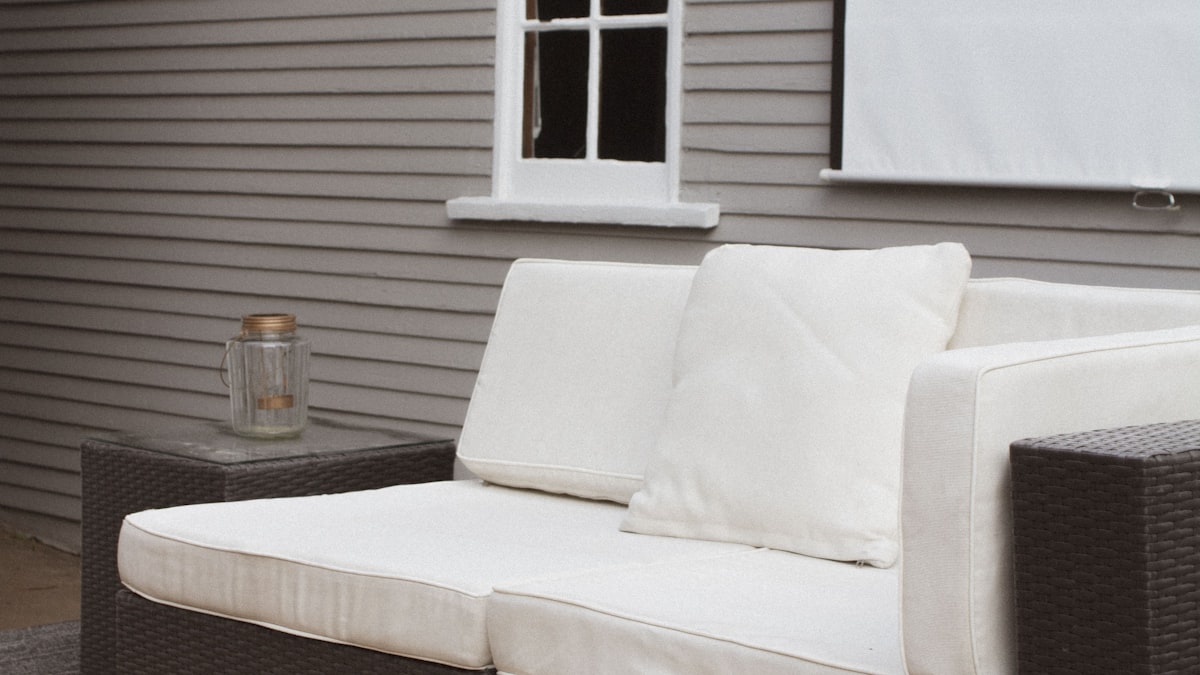
Natural wicker rots quickly outdoors. Modern resin wicker—also called HDPE (High-Density Polyethylene)—is a synthetic material that mimics the weave of natural wicker while standing up to intense sun and moisture.
- Pros: Classic look, very comfortable (usually features cushions), weather-resistant.
- Cons: Lower-quality PVC versions crack in the sun; always ensure you buy HDPE wicker.
Check the internal frame. Cheap resin wicker sits on a thin steel frame. The steel will rust, stain your patio, and eventually collapse. Always ensure your resin wicker set sits on a powder-coated aluminum internal frame.
Material Comparison Breakdown
| Feature | Teak | Aluminum | Resin Wicker |
|---|---|---|---|
| Rust Resistance | N/A | Excellent | Excellent |
| Weight | Heavy | Light | Medium |
| Maintenance | High (Oiling) | Low | Low |
| Typical Lifespan | 30+ years | 15-20 years | 10-15 years |
| Cost | $$$ | $$ | $$ |
How to Choose for Your Climate
Coastal / High Humidity
Choose aluminum. Salt air eats through steel in months. Aluminum is largely immune to salt air and high humidity. It is the most robust choice for homes within a mile of the ocean.
Temperate / Dry Climates
Choose teak. If you do not have constant humidity, teak is a lifelong investment. It will stay in pristine condition for decades. It is the most beautiful material, but it is also the most expensive.
High Traffic / Family Use
Choose resin wicker with an aluminum frame. The material is forgiving, it doesn’t get as hot as metal, and it is easy to wash with a simple hose-down. It provides a “living room” comfort level that metal frames struggle to match.
Integrating Your Furniture
Pairing these materials correctly enhances your space. Look into our guide on how to create an outdoor living room to see how to arrange these pieces. For cozy setups, read about the best patio furniture for small spaces. Always anchor your setup with one of the best outdoor rugs to protect your deck and define the dining zone.
Final Verdict
- Aluminum for humid, coastal areas where rust is the primary enemy.
- Teak for lifetime durability and natural beauty if you can handle the price tag.
- Resin Wicker for traditional comfort and easy upkeep in busy family households.
Always check the construction. No matter the material, a set is only as good as its frame. If it is metal, it must be powder-coated. If it is wood, it must be teak or acacia. If it is wicker, it must be HDPE with an aluminum frame.