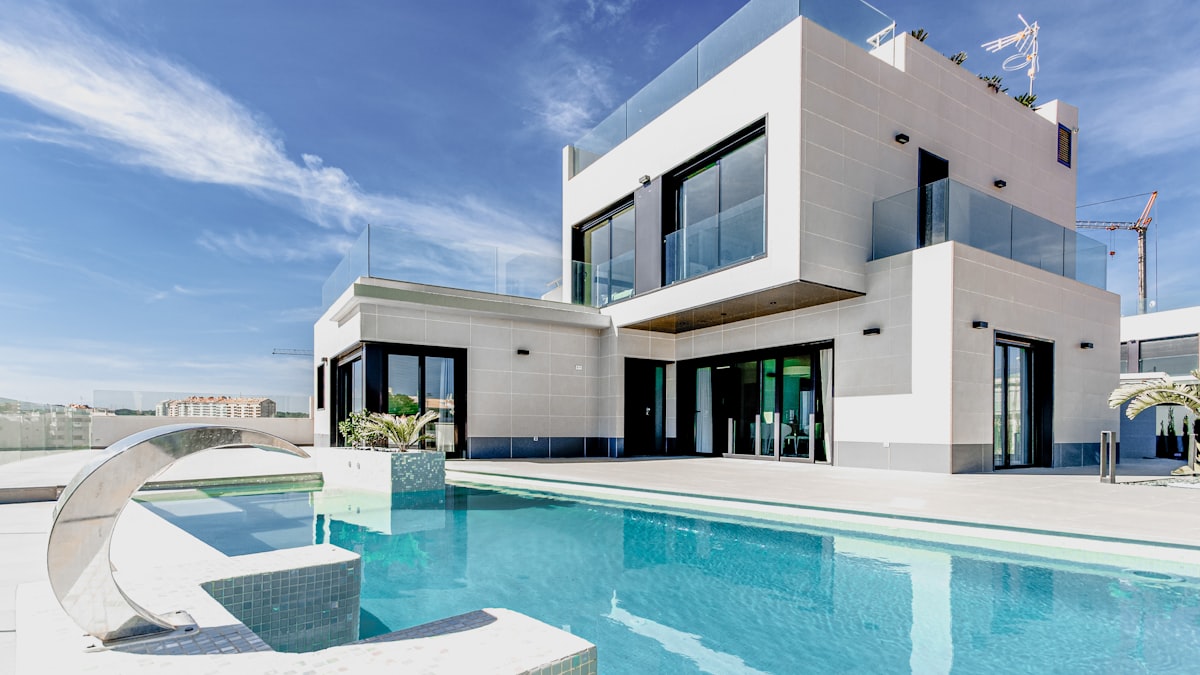
An outdoor living room needs five things to work: a defined floor, weather-proof seating, reliable shade, layered lighting, and a heat source for cooler months. Skip any one of these and the space becomes a patio with furniture on it rather than a room that happens to be outside. The difference is whether people actually use the space or just look at it through the window.
We analyzed over 50 professionally designed outdoor rooms to identify what separates the ones that get daily use from the ones that collect pollen. The pattern is consistent. Successful outdoor rooms borrow interior design principles and adapt them for weather exposure. Failed ones treat the patio as an afterthought.
The Foundation: Define the Floor
An outdoor room without a defined floor boundary feels like furniture floating in a yard. An outdoor rug is the single most effective way to establish the room’s footprint without building walls or permanent structures.
Outdoor Rug Selection
| Material | Durability | UV Resistance | Drainage | Price Range (8 x 10 ft) |
|---|---|---|---|---|
| Polypropylene | Excellent | High | Good, flat-weave drains fast | $80 to $300 |
| PET (Recycled Plastic) | Very good | High | Good | $100 to $350 |
| Polyester | Moderate | Moderate | Moderate | $60 to $200 |
| Natural Jute/Sisal | Poor outdoors | Low | Poor, retains moisture | Not recommended |
Polypropylene flat-weave rugs are the best all-around choice. They resist fading, dry quickly after rain, and clean up with a garden hose. Look for rugs that are UV-stabilized and mold-resistant. Brands like Safavieh Courtyard ($90 to $200 for 8 x 10 ft) and Dash & Albert ($150 to $400) specialize in outdoor-rated options.
Size the rug so the front legs of all seating pieces rest on the rug surface. This visually anchors the furniture grouping and creates a coherent boundary. A rug that is too small makes the arrangement feel disconnected. For a standard four-seat conversation area, an 8 x 10 foot (244 x 305 cm) rug is the minimum.
Furniture: Material Matters More Than Style
Outdoor furniture faces rain, UV radiation, temperature swings, humidity, and wind. The frame material determines whether the furniture lasts 3 years or 30.
Frame Material Comparison
| Material | Lifespan | Maintenance | Weight | Weather Resistance | Price Range (Sofa) |
|---|---|---|---|---|---|
| Teak | 25 to 50 years | Annual sealer optional | Heavy | Excellent, natural oils repel water | $2,000 to $5,000+ |
| Powder-coated aluminum | 15 to 25 years | Wipe down annually | Light | Excellent, rust-proof | $800 to $3,000 |
| HDPE wicker | 10 to 20 years | Hose down seasonally | Medium | Very good | $600 to $2,500 |
| Wrought iron | 20 to 30 years | Rust-check and touch-up annually | Very heavy | Good if maintained | $500 to $2,000 |
| Untreated wood (pine, cedar) | 3 to 8 years | Annual staining or sealing | Medium | Poor without treatment | $200 to $800 |
| PVC wicker | 3 to 7 years | None | Light | Poor, cracks in UV and cold | $200 to $600 |
Teak: The Long Game
Teak is the most durable outdoor wood available. The heartwood contains natural oils that repel water and resist insect damage without any chemical treatment. Left untreated, teak weathers from golden brown to a silver-gray patina over 6 to 12 months. This patina is purely cosmetic. The wood remains structurally sound for decades.
To maintain the original honey color, apply a teak sealer (not teak oil) once a year. Teak oil sounds logical but actually encourages mildew growth by sitting on the surface and trapping moisture. A penetrating sealer like Star Brite Premium Golden Teak Oil ($18 for 16 oz) or Semco Teak Sealer ($35 for 1 quart) soaks into the grain and protects from within.
Look for furniture made from Grade A teak. This is heartwood from the center of the tree, which has the highest oil content. Grade B and C teak include sapwood from the outer rings, which is less dense and less resistant to moisture.
Powder-Coated Aluminum: The Low-Maintenance Pick
Aluminum does not rust. Powder coating adds a durable, colored finish that resists chipping, scratching, and UV fading. The combination creates furniture that requires virtually no maintenance beyond an occasional wipe-down.
The trade-off is weight. Aluminum furniture is light enough that strong winds can move it. In exposed locations, look for aluminum frames with wide, heavy bases, or plan to anchor pieces during storm season.
HDPE Wicker: The Middle Ground
High-density polyethylene (HDPE) wicker is synthetic rattan woven over aluminum frames. It looks like natural wicker but handles rain, sun, and temperature extremes without degrading.
The critical distinction is HDPE vs. PVC. PVC wicker is cheaper and looks similar when new. Within two to three years, PVC becomes brittle in UV light and cracks in freezing temperatures. HDPE remains flexible and fade-resistant for 10 to 20 years. Always check the spec sheet.
Cushion and Fabric Strategy
The furniture frame lasts decades. The cushions are the weak link.
Outdoor Fabric Tiers
| Fabric | UV Resistance | Water Resistance | Mildew Resistance | Feel | Price (Per Yard) |
|---|---|---|---|---|---|
| Sunbrella | Excellent | Excellent | Excellent | Slightly stiff | $25 to $60 |
| Perennials | Excellent | Excellent | Excellent | Softer than Sunbrella | $40 to $100 |
| Outdura | Very good | Very good | Very good | Comparable to Sunbrella | $20 to $45 |
| Generic polyester | Moderate | Low | Low | Soft but fades fast | $10 to $20 |
Sunbrella is the industry standard for outdoor cushion fabric. The solution-dyed acrylic fibers resist fading for years under direct sun exposure. Spills bead up on the surface. Mildew cannot establish on the synthetic fibers. The fabric carries a 5-year warranty against fading when used outdoors.
Even with Sunbrella fabric, cushions need to be stored or covered when not in use for extended periods. A waterproof deck box with ventilation holes prevents mildew buildup during storage. The Keter Brightwood 120-Gallon Deck Box ($130) fits four standard sofa cushions and includes a bench-style lid for additional seating.
Shade: The Make-or-Break Element
A seating area in direct afternoon sun is unusable from May through September in most US climates. Shade is not an accessory. It is a structural requirement.
Shade Options Compared
| Solution | Coverage Area | Permanence | Wind Resistance | Cost |
|---|---|---|---|---|
| Cantilever umbrella | 10 to 13 ft diameter | Portable | Low to moderate | $200 to $800 |
| Pergola (wood or aluminum) | Custom, typically 10 x 12 ft to 14 x 16 ft | Permanent | High | $2,000 to $8,000 installed |
| Shade sail | Custom, triangular or rectangular | Semi-permanent | Moderate | $100 to $400 |
| Retractable awning | 8 to 20 ft width | Permanent mount, retractable | High when retracted | $1,500 to $5,000 installed |
Cantilever umbrellas provide the best flexibility for most patios. The offset pole means no center post disrupting the furniture layout. The canopy rotates and tilts to track the sun throughout the day. Look for a minimum UPF 50 rating and a vented canopy that releases wind rather than catching it. The Treasure Garden 11 ft Cantilever Umbrella ($350 to $600) is a reliable mid-range option.
For permanent shade, a pergola with retractable fabric panels combines structure with adjustability. Grow climbing vines like wisteria, jasmine, or bougainvillea on the pergola beams for additional summer shade that drops away in winter when more light is welcome.
Lighting: Three Layers, Minimum
A single floodlight kills the atmosphere. Outdoor rooms need the same layered lighting approach used indoors. Ambient for general visibility. Task for functional areas. Accent for depth and mood.
Ambient Layer: String Lights
Commercial-grade LED string lights are the most effective ambient outdoor light source. Hang them in a zigzag pattern above the seating area, anchored to the house wall, fence posts, poles, or pergola beams. The parallel lines of warm bulbs create a “ceiling” that defines the room’s upper boundary.
Look for shatterproof, weatherproof bulbs rated for permanent outdoor installation. Brightech Ambience Pro LED String Lights ($30 to $50 for 48 ft) use heavy-duty rubber cable and operate at 2700K warm white. They run on standard 120V and daisy-chain up to six strands.
Task Layer: Directed Light
Place task lighting at functional points. A clip-on grill light illuminates the cooking surface. A battery-powered reading lamp on the side table serves evening readers. An LED under-rail strip lights stairways and level changes for safety.
Accent Layer: Ground and Tree Lighting
Low-voltage landscape lights add dimension after dark. Uplighting on a nearby tree trunk, pathway bollards along the walkway, and recessed step lights on a deck edge all contribute to a layered, intentional lighting scheme.
Solar-powered stake lights ($15 to $40 for a set of 6) work for accent duty along pathways. For tree uplighting, hardwired low-voltage LED spotlights ($20 to $50 each) deliver more reliable output.
Heat: Extending the Season
A fire pit or patio heater extends the outdoor room’s usable season by two to three months in most US climates.
Fire Pit Options
| Type | Heat Output | Maintenance | Portability | Burn Ban Friendly | Price |
|---|---|---|---|---|---|
| Propane fire pit table | 40,000 to 60,000 BTU | Low, wipe down | Fixed or semi-portable | Yes | $300 to $1,500 |
| Natural gas fire pit | 40,000 to 80,000 BTU | Very low | Fixed, requires gas line | Yes | $500 to $3,000 installed |
| Wood-burning fire pit | Variable, high | Ash removal, spark management | Portable | No | $100 to $500 |
A propane fire pit table with at least 40,000 BTU output is the most practical choice for most patios. It provides meaningful heat in a 6 to 8 foot radius, doubles as a coffee table during warm months, and complies with burn bans that restrict wood fires. No ash. No spark screens. No smoke in the neighbors’ windows.
Layout Principles
Zone the Space
Divide the patio into functional zones the same way an interior designer zones an open-plan living area.
- Conversation zone: The primary seating group, anchored by the rug, centered on the fire pit or coffee table
- Dining zone: A separate table and chairs, ideally closer to the kitchen door for easy serving
- Transition zone: The path between the house and the outdoor room. Keep it clear and well-lit
Traffic Flow
Leave at least 36 inches (91 cm) of clearance between furniture pieces for comfortable walking paths. Doorways from the house to the patio need 48 inches (122 cm) minimum clear width for carrying trays and platters.
Orientation
Face the primary seating toward the best view, whether that is a garden, pool, or open sky. Orient the conversation group so the afternoon sun falls behind the seating rather than directly into seated faces.
Maintenance Calendar
| Task | Frequency | Time Required |
|---|---|---|
| Hose down rug | Monthly | 10 minutes |
| Clean cushion covers | Quarterly | 30 minutes |
| Seal teak furniture (if applicable) | Annually | 1 to 2 hours |
| Inspect umbrella fabric and mechanism | Annually, before season | 15 minutes |
| Check string light connections | Annually | 10 minutes |
| Deep-clean fire pit burner | Annually | 30 minutes |
| Store or cover cushions for winter | Once, end of season | 20 minutes |
An outdoor living room is not a one-time purchase. It is a system of components that work together. Choose durable materials, define the space with a rug and lighting, solve shade before buying furniture, and plan for storage. The result is a room that gets used from April through October rather than admired through glass.