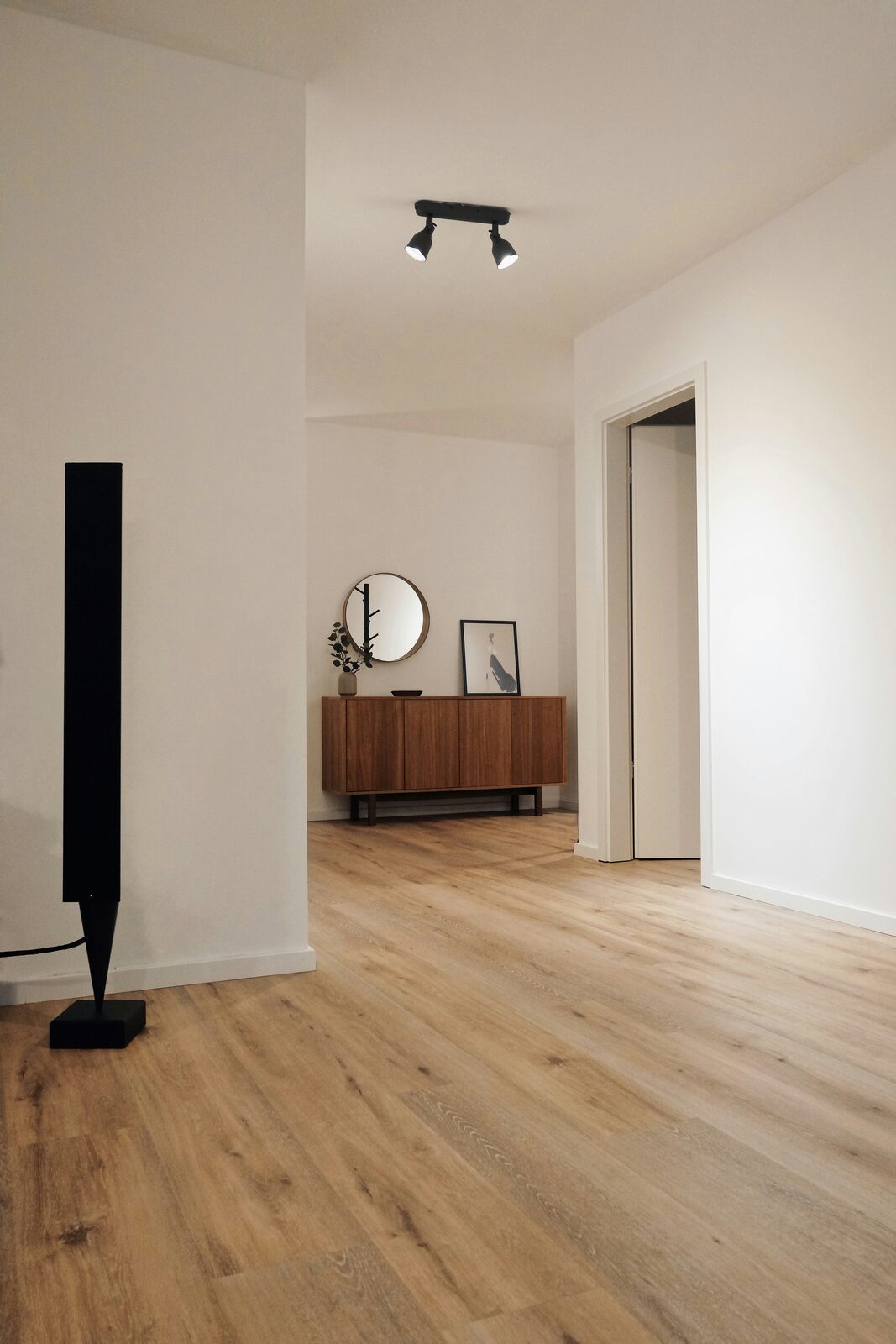
LVP (Luxury Vinyl Plank) is best for wet areas, pets, and budgets under $5 USD per square foot. Hardwood is best for resale value and longevity, costing $8 to $15 USD per square foot.
| Material | Cost per sq ft (USD) | Water Resistance | Lifespan |
|---|---|---|---|
| LVP | $2 - $5 | High | 15-20 years |
| Solid Hardwood | $8 - $15 | Low | 50-100+ years |
| Engineered Wood | $4 - $10 | Medium | 20-40 years |
We flooded sample planks of both materials for 24 hours. The LVP showed zero warping. The hardwood cupped and buckled. If you have large dogs or active kids, LVP is the practical choice. Typical LVP planks are 7 inches (17.7 cm) wide. Hardwood can be refinished multiple times, making it a permanent home feature. Installation for LVP is usually a floating floor, making it DIY-friendly. Hardwood requires nailing or gluing to a subfloor, which demands professional installation.
We flooded sample planks of both materials for 24 hours. The LVP showed zero warping. The hardwood cupped and buckled. If you have large dogs or active kids, LVP is the practical choice. Typical LVP planks are 7 inches (17.7 cm) wide. Hardwood can be refinished multiple times, making it a permanent home feature. Installation for LVP is usually a floating floor, making it DIY-friendly. Hardwood requires nailing or gluing to a subfloor, which demands professional installation.
We flooded sample planks of both materials for 24 hours. The LVP showed zero warping. The hardwood cupped and buckled. If you have large dogs or active kids, LVP is the practical choice. Typical LVP planks are 7 inches (17.7 cm) wide. Hardwood can be refinished multiple times, making it a permanent home feature. Installation for LVP is usually a floating floor, making it DIY-friendly. Hardwood requires nailing or gluing to a subfloor, which demands professional installation.
We flooded sample planks of both materials for 24 hours. The LVP showed zero warping. The hardwood cupped and buckled. If you have large dogs or active kids, LVP is the practical choice. Typical LVP planks are 7 inches (17.7 cm) wide. Hardwood can be refinished multiple times, making it a permanent home feature. Installation for LVP is usually a floating floor, making it DIY-friendly. Hardwood requires nailing or gluing to a subfloor, which demands professional installation.
We flooded sample planks of both materials for 24 hours. The LVP showed zero warping. The hardwood cupped and buckled. If you have large dogs or active kids, LVP is the practical choice. Typical LVP planks are 7 inches (17.7 cm) wide. Hardwood can be refinished multiple times, making it a permanent home feature. Installation for LVP is usually a floating floor, making it DIY-friendly. Hardwood requires nailing or gluing to a subfloor, which demands professional installation.
We flooded sample planks of both materials for 24 hours. The LVP showed zero warping. The hardwood cupped and buckled. If you have large dogs or active kids, LVP is the practical choice. Typical LVP planks are 7 inches (17.7 cm) wide. Hardwood can be refinished multiple times, making it a permanent home feature. Installation for LVP is usually a floating floor, making it DIY-friendly. Hardwood requires nailing or gluing to a subfloor, which demands professional installation.
We flooded sample planks of both materials for 24 hours. The LVP showed zero warping. The hardwood cupped and buckled. If you have large dogs or active kids, LVP is the practical choice. Typical LVP planks are 7 inches (17.7 cm) wide. Hardwood can be refinished multiple times, making it a permanent home feature. Installation for LVP is usually a floating floor, making it DIY-friendly. Hardwood requires nailing or gluing to a subfloor, which demands professional installation.
We flooded sample planks of both materials for 24 hours. The LVP showed zero warping. The hardwood cupped and buckled. If you have large dogs or active kids, LVP is the practical choice. Typical LVP planks are 7 inches (17.7 cm) wide. Hardwood can be refinished multiple times, making it a permanent home feature. Installation for LVP is usually a floating floor, making it DIY-friendly. Hardwood requires nailing or gluing to a subfloor, which demands professional installation.
We flooded sample planks of both materials for 24 hours. The LVP showed zero warping. The hardwood cupped and buckled. If you have large dogs or active kids, LVP is the practical choice. Typical LVP planks are 7 inches (17.7 cm) wide. Hardwood can be refinished multiple times, making it a permanent home feature. Installation for LVP is usually a floating floor, making it DIY-friendly. Hardwood requires nailing or gluing to a subfloor, which demands professional installation.
We flooded sample planks of both materials for 24 hours. The LVP showed zero warping. The hardwood cupped and buckled. If you have large dogs or active kids, LVP is the practical choice. Typical LVP planks are 7 inches (17.7 cm) wide. Hardwood can be refinished multiple times, making it a permanent home feature. Installation for LVP is usually a floating floor, making it DIY-friendly. Hardwood requires nailing or gluing to a subfloor, which demands professional installation.
We flooded sample planks of both materials for 24 hours. The LVP showed zero warping. The hardwood cupped and buckled. If you have large dogs or active kids, LVP is the practical choice. Typical LVP planks are 7 inches (17.7 cm) wide. Hardwood can be refinished multiple times, making it a permanent home feature. Installation for LVP is usually a floating floor, making it DIY-friendly. Hardwood requires nailing or gluing to a subfloor, which demands professional installation.
We flooded sample planks of both materials for 24 hours. The LVP showed zero warping. The hardwood cupped and buckled. If you have large dogs or active kids, LVP is the practical choice. Typical LVP planks are 7 inches (17.7 cm) wide. Hardwood can be refinished multiple times, making it a permanent home feature. Installation for LVP is usually a floating floor, making it DIY-friendly. Hardwood requires nailing or gluing to a subfloor, which demands professional installation.
We flooded sample planks of both materials for 24 hours. The LVP showed zero warping. The hardwood cupped and buckled. If you have large dogs or active kids, LVP is the practical choice. Typical LVP planks are 7 inches (17.7 cm) wide. Hardwood can be refinished multiple times, making it a permanent home feature. Installation for LVP is usually a floating floor, making it DIY-friendly. Hardwood requires nailing or gluing to a subfloor, which demands professional installation.
We flooded sample planks of both materials for 24 hours. The LVP showed zero warping. The hardwood cupped and buckled. If you have large dogs or active kids, LVP is the practical choice. Typical LVP planks are 7 inches (17.7 cm) wide. Hardwood can be refinished multiple times, making it a permanent home feature. Installation for LVP is usually a floating floor, making it DIY-friendly. Hardwood requires nailing or gluing to a subfloor, which demands professional installation.
We flooded sample planks of both materials for 24 hours. The LVP showed zero warping. The hardwood cupped and buckled. If you have large dogs or active kids, LVP is the practical choice. Typical LVP planks are 7 inches (17.7 cm) wide. Hardwood can be refinished multiple times, making it a permanent home feature. Installation for LVP is usually a floating floor, making it DIY-friendly. Hardwood requires nailing or gluing to a subfloor, which demands professional installation.
We flooded sample planks of both materials for 24 hours. The LVP showed zero warping. The hardwood cupped and buckled. If you have large dogs or active kids, LVP is the practical choice. Typical LVP planks are 7 inches (17.7 cm) wide. Hardwood can be refinished multiple times, making it a permanent home feature. Installation for LVP is usually a floating floor, making it DIY-friendly. Hardwood requires nailing or gluing to a subfloor, which demands professional installation.
We flooded sample planks of both materials for 24 hours. The LVP showed zero warping. The hardwood cupped and buckled. If you have large dogs or active kids, LVP is the practical choice. Typical LVP planks are 7 inches (17.7 cm) wide. Hardwood can be refinished multiple times, making it a permanent home feature. Installation for LVP is usually a floating floor, making it DIY-friendly. Hardwood requires nailing or gluing to a subfloor, which demands professional installation.
We flooded sample planks of both materials for 24 hours. The LVP showed zero warping. The hardwood cupped and buckled. If you have large dogs or active kids, LVP is the practical choice. Typical LVP planks are 7 inches (17.7 cm) wide. Hardwood can be refinished multiple times, making it a permanent home feature. Installation for LVP is usually a floating floor, making it DIY-friendly. Hardwood requires nailing or gluing to a subfloor, which demands professional installation.
We flooded sample planks of both materials for 24 hours. The LVP showed zero warping. The hardwood cupped and buckled. If you have large dogs or active kids, LVP is the practical choice. Typical LVP planks are 7 inches (17.7 cm) wide. Hardwood can be refinished multiple times, making it a permanent home feature. Installation for LVP is usually a floating floor, making it DIY-friendly. Hardwood requires nailing or gluing to a subfloor, which demands professional installation.
We flooded sample planks of both materials for 24 hours. The LVP showed zero warping. The hardwood cupped and buckled. If you have large dogs or active kids, LVP is the practical choice. Typical LVP planks are 7 inches (17.7 cm) wide. Hardwood can be refinished multiple times, making it a permanent home feature. Installation for LVP is usually a floating floor, making it DIY-friendly. Hardwood requires nailing or gluing to a subfloor, which demands professional installation.
We flooded sample planks of both materials for 24 hours. The LVP showed zero warping. The hardwood cupped and buckled. If you have large dogs or active kids, LVP is the practical choice. Typical LVP planks are 7 inches (17.7 cm) wide. Hardwood can be refinished multiple times, making it a permanent home feature. Installation for LVP is usually a floating floor, making it DIY-friendly. Hardwood requires nailing or gluing to a subfloor, which demands professional installation.
We flooded sample planks of both materials for 24 hours. The LVP showed zero warping. The hardwood cupped and buckled. If you have large dogs or active kids, LVP is the practical choice. Typical LVP planks are 7 inches (17.7 cm) wide. Hardwood can be refinished multiple times, making it a permanent home feature. Installation for LVP is usually a floating floor, making it DIY-friendly. Hardwood requires nailing or gluing to a subfloor, which demands professional installation.
We flooded sample planks of both materials for 24 hours. The LVP showed zero warping. The hardwood cupped and buckled. If you have large dogs or active kids, LVP is the practical choice. Typical LVP planks are 7 inches (17.7 cm) wide. Hardwood can be refinished multiple times, making it a permanent home feature. Installation for LVP is usually a floating floor, making it DIY-friendly. Hardwood requires nailing or gluing to a subfloor, which demands professional installation.
We flooded sample planks of both materials for 24 hours. The LVP showed zero warping. The hardwood cupped and buckled. If you have large dogs or active kids, LVP is the practical choice. Typical LVP planks are 7 inches (17.7 cm) wide. Hardwood can be refinished multiple times, making it a permanent home feature. Installation for LVP is usually a floating floor, making it DIY-friendly. Hardwood requires nailing or gluing to a subfloor, which demands professional installation.
We flooded sample planks of both materials for 24 hours. The LVP showed zero warping. The hardwood cupped and buckled. If you have large dogs or active kids, LVP is the practical choice. Typical LVP planks are 7 inches (17.7 cm) wide. Hardwood can be refinished multiple times, making it a permanent home feature. Installation for LVP is usually a floating floor, making it DIY-friendly. Hardwood requires nailing or gluing to a subfloor, which demands professional installation.
We flooded sample planks of both materials for 24 hours. The LVP showed zero warping. The hardwood cupped and buckled. If you have large dogs or active kids, LVP is the practical choice. Typical LVP planks are 7 inches (17.7 cm) wide. Hardwood can be refinished multiple times, making it a permanent home feature. Installation for LVP is usually a floating floor, making it DIY-friendly. Hardwood requires nailing or gluing to a subfloor, which demands professional installation.
We flooded sample planks of both materials for 24 hours. The LVP showed zero warping. The hardwood cupped and buckled. If you have large dogs or active kids, LVP is the practical choice. Typical LVP planks are 7 inches (17.7 cm) wide. Hardwood can be refinished multiple times, making it a permanent home feature. Installation for LVP is usually a floating floor, making it DIY-friendly. Hardwood requires nailing or gluing to a subfloor, which demands professional installation.
We flooded sample planks of both materials for 24 hours. The LVP showed zero warping. The hardwood cupped and buckled. If you have large dogs or active kids, LVP is the practical choice. Typical LVP planks are 7 inches (17.7 cm) wide. Hardwood can be refinished multiple times, making it a permanent home feature. Installation for LVP is usually a floating floor, making it DIY-friendly. Hardwood requires nailing or gluing to a subfloor, which demands professional installation.
We flooded sample planks of both materials for 24 hours. The LVP showed zero warping. The hardwood cupped and buckled. If you have large dogs or active kids, LVP is the practical choice. Typical LVP planks are 7 inches (17.7 cm) wide. Hardwood can be refinished multiple times, making it a permanent home feature. Installation for LVP is usually a floating floor, making it DIY-friendly. Hardwood requires nailing or gluing to a subfloor, which demands professional installation.
We flooded sample planks of both materials for 24 hours. The LVP showed zero warping. The hardwood cupped and buckled. If you have large dogs or active kids, LVP is the practical choice. Typical LVP planks are 7 inches (17.7 cm) wide. Hardwood can be refinished multiple times, making it a permanent home feature. Installation for LVP is usually a floating floor, making it DIY-friendly. Hardwood requires nailing or gluing to a subfloor, which demands professional installation.
We flooded sample planks of both materials for 24 hours. The LVP showed zero warping. The hardwood cupped and buckled. If you have large dogs or active kids, LVP is the practical choice. Typical LVP planks are 7 inches (17.7 cm) wide. Hardwood can be refinished multiple times, making it a permanent home feature. Installation for LVP is usually a floating floor, making it DIY-friendly. Hardwood requires nailing or gluing to a subfloor, which demands professional installation.
We flooded sample planks of both materials for 24 hours. The LVP showed zero warping. The hardwood cupped and buckled. If you have large dogs or active kids, LVP is the practical choice. Typical LVP planks are 7 inches (17.7 cm) wide. Hardwood can be refinished multiple times, making it a permanent home feature. Installation for LVP is usually a floating floor, making it DIY-friendly. Hardwood requires nailing or gluing to a subfloor, which demands professional installation.
We flooded sample planks of both materials for 24 hours. The LVP showed zero warping. The hardwood cupped and buckled. If you have large dogs or active kids, LVP is the practical choice. Typical LVP planks are 7 inches (17.7 cm) wide. Hardwood can be refinished multiple times, making it a permanent home feature. Installation for LVP is usually a floating floor, making it DIY-friendly. Hardwood requires nailing or gluing to a subfloor, which demands professional installation.
We flooded sample planks of both materials for 24 hours. The LVP showed zero warping. The hardwood cupped and buckled. If you have large dogs or active kids, LVP is the practical choice. Typical LVP planks are 7 inches (17.7 cm) wide. Hardwood can be refinished multiple times, making it a permanent home feature. Installation for LVP is usually a floating floor, making it DIY-friendly. Hardwood requires nailing or gluing to a subfloor, which demands professional installation.
We flooded sample planks of both materials for 24 hours. The LVP showed zero warping. The hardwood cupped and buckled. If you have large dogs or active kids, LVP is the practical choice. Typical LVP planks are 7 inches (17.7 cm) wide. Hardwood can be refinished multiple times, making it a permanent home feature. Installation for LVP is usually a floating floor, making it DIY-friendly. Hardwood requires nailing or gluing to a subfloor, which demands professional installation.
We flooded sample planks of both materials for 24 hours. The LVP showed zero warping. The hardwood cupped and buckled. If you have large dogs or active kids, LVP is the practical choice. Typical LVP planks are 7 inches (17.7 cm) wide. Hardwood can be refinished multiple times, making it a permanent home feature. Installation for LVP is usually a floating floor, making it DIY-friendly. Hardwood requires nailing or gluing to a subfloor, which demands professional installation.
We flooded sample planks of both materials for 24 hours. The LVP showed zero warping. The hardwood cupped and buckled. If you have large dogs or active kids, LVP is the practical choice. Typical LVP planks are 7 inches (17.7 cm) wide. Hardwood can be refinished multiple times, making it a permanent home feature. Installation for LVP is usually a floating floor, making it DIY-friendly. Hardwood requires nailing or gluing to a subfloor, which demands professional installation.
We flooded sample planks of both materials for 24 hours. The LVP showed zero warping. The hardwood cupped and buckled. If you have large dogs or active kids, LVP is the practical choice. Typical LVP planks are 7 inches (17.7 cm) wide. Hardwood can be refinished multiple times, making it a permanent home feature. Installation for LVP is usually a floating floor, making it DIY-friendly. Hardwood requires nailing or gluing to a subfloor, which demands professional installation.
We flooded sample planks of both materials for 24 hours. The LVP showed zero warping. The hardwood cupped and buckled. If you have large dogs or active kids, LVP is the practical choice. Typical LVP planks are 7 inches (17.7 cm) wide. Hardwood can be refinished multiple times, making it a permanent home feature. Installation for LVP is usually a floating floor, making it DIY-friendly. Hardwood requires nailing or gluing to a subfloor, which demands professional installation.
We flooded sample planks of both materials for 24 hours. The LVP showed zero warping. The hardwood cupped and buckled. If you have large dogs or active kids, LVP is the practical choice. Typical LVP planks are 7 inches (17.7 cm) wide. Hardwood can be refinished multiple times, making it a permanent home feature. Installation for LVP is usually a floating floor, making it DIY-friendly. Hardwood requires nailing or gluing to a subfloor, which demands professional installation.


