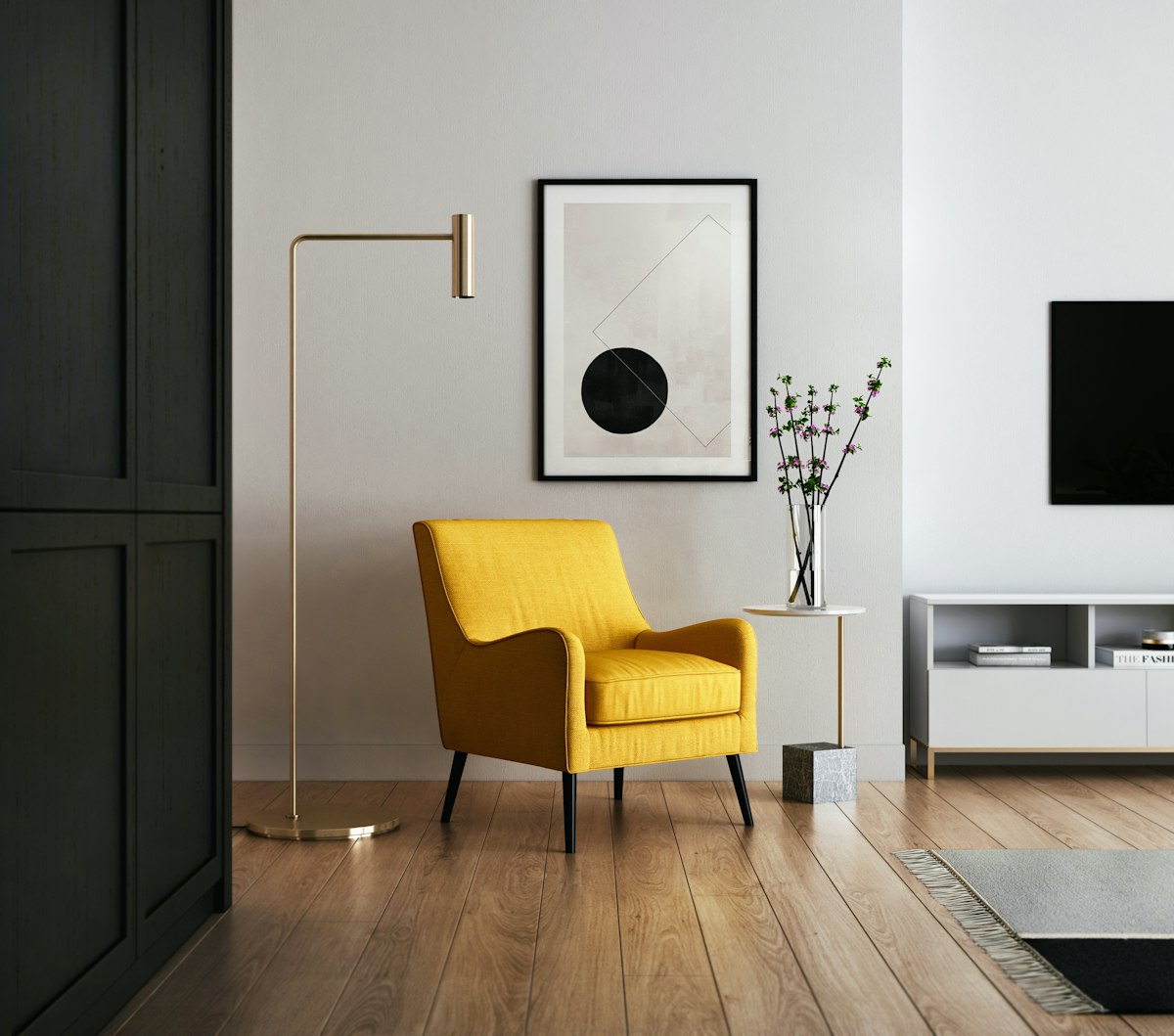
Open shelving requires a strict 60/40 ratio: 60% functional objects and 40% negative space. Overstuffing shelves is the most common mistake. By grouping items in odd numbers and leaving breathing room, we prevent shelves from feeling chaotic.
Takeaway: Empty space is a design element. Use it.
Start with a Blank Slate
Clear everything off the shelves. Clean the surfaces. Assess the empty structure. Before placing a single item back, sort your inventory into three piles: daily essentials, decorative objects, and storage items. If an item doesn’t serve a daily function or hold significant aesthetic value, it does not belong on an open shelf.
The Anchor Method
Place your heaviest, largest items first. These are your anchors. Position them on the bottom or middle shelves to ground the unit visually. Think large ceramic bowls, thick art books, or woven storage baskets measuring at least 12 inches (30 cm) wide.
If all large items sit on one side, the shelf will look unbalanced. Stagger the heavy pieces diagonally from each other.
Grouping and Layering
Group items in threes or fives. Our brains process odd numbers as more visually appealing than even numbers.
When grouping, vary the height and texture. Place a tall, slender vase next to a short, round bowl and a stack of three books.
Takeaway: Stagger heights. Never place two items of the same height next to each other.
| Item Type | Ideal Position | Max Quantity per Shelf |
|---|---|---|
| Large Baskets | Bottom shelf | 1-2 |
| Stacks of Books | Middle to bottom | 2-3 stacks |
| Trailing Plants | Top shelf | 1 |
| Small Decor | Middle to top | Groups of 3 |
Conceal the Clutter
Open shelving isn’t for everything. You still need hidden storage. Use opaque boxes or woven baskets to hide cables, remote controls, or mismatched items. A set of matching rattan baskets placed on the lowest shelf provides texture while concealing unsightly necessities. Expect to spend $40 to $80 on quality woven storage cubes.
Color Palette Constraints
Limit your open shelf color palette to three colors. When you introduce too many colors, the shelves immediately look messy. We recommend a neutral base (white, wood, or black) with two accent colors pulled from the rest of the room.
If you have a collection of brightly colored spines on your books, consider turning some pages-out for a neutral break, or group them tightly by color to create intentional blocks of hue.
Book Placement Strategy
Books shouldn’t just stand vertically like in a library. Alternate between vertical rows and horizontal stacks. Use a horizontal stack of books as a pedestal for a small decorative object. Ensure vertical books are supported by sturdy, attractive bookends.
Lighting Your Shelves
Shadows make shelves look deeper and more cluttered. Add lighting. A simple battery-operated LED puck light stuck to the underside of a shelf highlights the objects below it. If wiring is an option, install LED strip lighting along the back edge of each shelf.
Maintenance and Editing
Dust settles quickly on open shelves. Wipe them down weekly. More importantly, edit them monthly. It is easy for stray items to find their way onto a shelf. If you add a new piece, remove an old one. The one-in, one-out rule prevents gradual accumulation.
Takeaway: Edit ruthlessly. If you add an item, remove another.
Advanced Techniques for Difficult Spaces
When styling open shelving in awkward spaces, like under stairs or in tight alcoves, the standard rules still apply, but you must measure precisely. A shelf less than 10 inches (25 cm) deep cannot hold standard large books or plates without them overhanging. Overhang creates an immediate sense of instability and clutter. Stick to shallow items: picture frames, small bud vases, and paperback books.
For shelves longer than 60 inches (152 cm), the risk of the “runway effect” increases. Long, uninterrupted rows of similar items look like a grocery store aisle. Break up these long horizontal lines by inserting vertical dividers, or use the “zigzag” method: place a tall item on the left side of the top shelf, the right side of the middle shelf, and the center of the bottom shelf. This forces the eye to bounce across the entire unit rather than scanning it like a barcode.
The Role of Plants and Greenery
Live plants bring necessary organic shapes to rigid architectural shelving. However, placing a high-maintenance plant on a top shelf guarantees it will die or you will resent watering it.
Takeaway: Only use drought-tolerant trailing plants on top shelves. Keep high-water plants at eye level.
Pothos, Philodendron, and String of Pearls are ideal for high placement. Their cascading leaves soften hard edges. For lower shelves, structured plants like Snake Plants (Sansevieria) or ZZ plants work best. Always use a waterproof cachepot without a drainage hole for the outer layer. Placing a standard nursery pot on a saucer on an open wooden shelf will eventually result in water rings and warped wood. If your shelves receive zero natural light, invest in high-quality faux plants. A dusty, dead real plant looks worse than a clean faux one.
Kitchen Open Shelving: Form vs Function
Kitchen open shelving is arguably the most difficult to maintain. Cooking creates aerosolized grease that settles on everything. If you display items you don’t use weekly, they will become coated in a sticky layer of dust.
To prevent this, only place daily-use items on kitchen open shelves:
- Everyday plates and bowls
- Water glasses
- Coffee mugs
- Frequently used spices (transferred to matching airtight jars)
Hide your seasonal platters, complex gadgets, and mismatched plastic containers in lower cabinets.
Stack everyday white ceramic plates in neat, straight towers. A stack of 8 to 10 plates looks intentional and architectural. Stacked mugs, however, look precarious. Place mugs side-by-side in straight rows. If you must display cutting boards, lean them against the back wall behind shorter items. A heavy wooden cutting board acts as a beautiful, warm backdrop for white ceramics.
Troubleshooting Common Shelving Problems
Problem: The shelves look too dark. Solution: Paint the back wall behind the shelves a lighter color than the room, or install a mirrored backing. Add puck lights under each shelf. Swap dark wood or black accessories for white ceramics and clear glass.
Problem: The shelves look top-heavy. Solution: You have placed heavy books or large baskets too high. Move anything larger than a melon to the bottom two shelves. Keep the top shelf reserved for light items, trailing plants, or a single small piece of art.
Problem: The items look disconnected. Solution: You lack a cohesive color palette. Remove everything that doesn’t fit your chosen three-color scheme. If you have mismatched books, turn the spines inward (pages out) or wrap them in identical neutral paper.
Seasonal Styling Updates
You don’t need to completely clear your shelves every season. Small, intentional swaps keep the display feeling fresh.
Spring/Summer: Swap out heavy wool textures for woven grass or rattan baskets. Introduce lighter-colored book spines. Add freshly cut green branches or bright floral arrangements in clear glass vases.
Autumn/Winter: Introduce brass or copper accents. Swap bright florals for dried botanicals, branches, or dark ceramic vases. Add a few small, battery-operated candles for warmth during darker evenings.
Budgeting for Shelf Decor
Styling shelves does not require a massive budget, provided you are willing to hunt. Thrift stores are the best source for sculptural ceramics, unique brass objects, and hardcover books.
- Books: Buy used. Remove the dust jackets. A $2 thrifted book often hides a beautiful, textured linen cover underneath.
- Ceramics: Look for shape, not color. You can always spray-paint a thrifted vase with a matte ceramic-finish paint.
- Art: Print digital downloads and place them in simple black or wood frames. Lean them against the back wall instead of hanging them.
Final Editing Checklist
Before you declare your shelves finished, walk out of the room. Walk back in and immediately look at the shelves.
- Where does your eye go first? (It should be a prominent, beautiful anchor piece).
- Does it feel heavy? (Remove 10% of the items).
- Can you easily dust the surfaces? (If you have to move 20 tiny objects to dust, you have too many tiny objects).
Adhere to the 60/40 rule, group in odd numbers, and embrace empty space.
Why Less is Always More
In an era of overconsumption, our shelves often become physical manifestations of our shopping habits. Open shelving should be a curated museum of your life, not a storage unit. By strictly limiting what earns a place on the shelf, you elevate the importance of the items that remain. A single, beautiful hand-thrown bowl commands attention when it sits alone on a 24-inch (60 cm) span of wood. When surrounded by fifteen other random objects, it becomes invisible clutter.
Takeaway: Stop buying small decor objects. Invest in fewer, larger, higher-quality pieces.