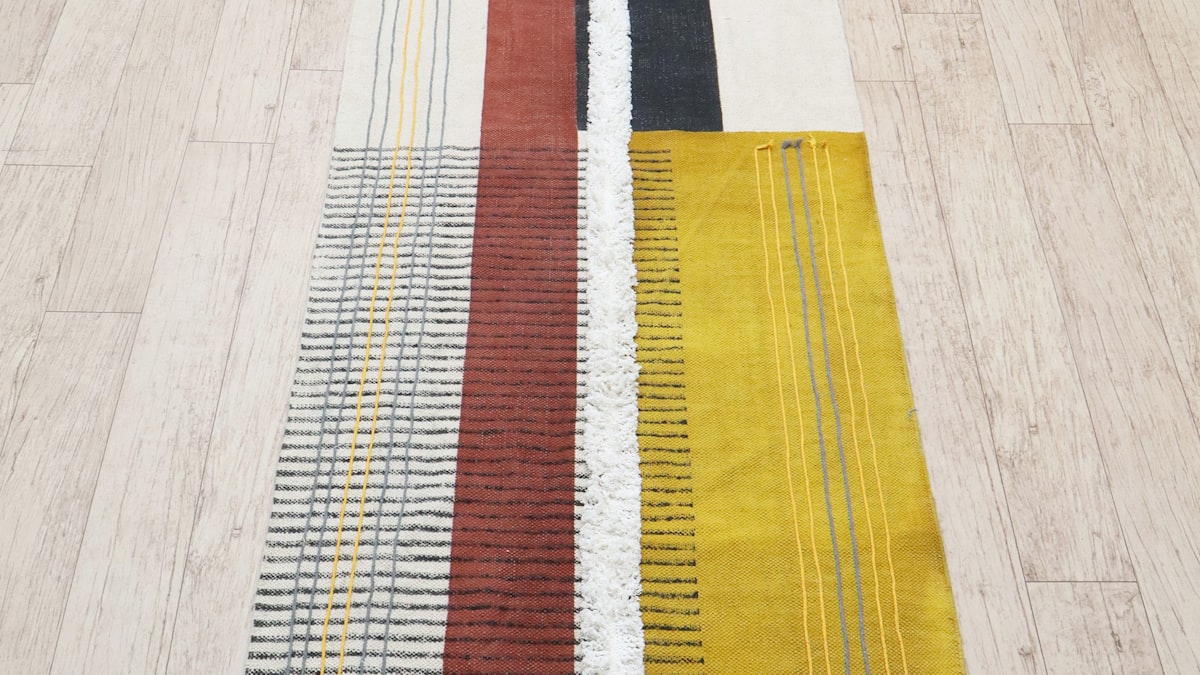
The foundation of every living room is the area rug. When deciding between the two most popular natural fibers, jute and wool, the choice goes far beyond aesthetics. A chunky jute rug adds incredible texture and a relaxed, coastal vibe, but it is notorious for shedding fine dust. A hand-knotted wool rug is the gold standard for longevity and softness, but it requires a larger upfront budget and careful vacuuming.
The right material depends entirely on your lifestyle and the room’s traffic. We break down exactly how these two fibers behave in the real world so you can make an informed decision, rather than just buying what looks good on a screen.
The Breakdown: Durability and Feel
Jute is an inexpensive, fast-growing plant fiber (often called the “golden fiber”) that is spun into thick, coarse threads. Wool is a premium animal fiber, prized for its natural crimp, which allows it to bounce back from heavy furniture and foot traffic.
| Feature | Jute Rugs | Wool Rugs |
|---|---|---|
| Durability | Moderate (Breaks down under heavy traffic) | Exceptional (Can last generations) |
| Softness | Coarse, textured, sometimes scratchy | Soft, plush, comfortable underfoot |
| Stain Resistance | Low (Absorbs liquids immediately) | High (Naturally repels liquids initially) |
| Price (8x10 ft / 2.4x3 m) | $200 – $500 | $600 – $3,000+ |
The Truth About Jute
Jute is the darling of interior stylists because its earthy, organic texture grounds a room instantly. It pairs beautifully with everything from crisp white linen sofas to mid-century leather chairs.
- The Shedding Reality: Jute rugs shed constantly. They leave a fine, sandy dust underneath the rug as the dry plant fibers break down from foot traffic. You must vacuum under a jute rug frequently, or it will scratch hardwood floors over time.
- The Comfort Factor: Jute is not comfortable to sit on. If you have young children who play on the floor, or if you like to walk barefoot in your living room, a 100% jute rug will feel abrasive. We often recommend a jute-cotton blend to soften the texture, though this sacrifices some of the chunky, rustic look.
- The Moisture Problem: Jute and water are enemies. Jute acts like a sponge, absorbing humidity and spills instantly. If you spill a glass of wine, the stain is often permanent. If you place it in a damp environment (like a basement or near an entryway), it can develop mold or rot. Jute belongs in dry, low-to-medium traffic areas like bedrooms or formal living rooms.
The Case for Wool
Wool is the undisputed king of rug materials. While the initial cost is higher, a quality wool rug is a heritage piece that will outlive several synthetic alternatives.
- Natural Resilience: Wool fibers have a natural coil structure that resists crushing. When you move a heavy sofa off a wool rug, the indentations will typically bounce back on their own within a few days. Synthetic rugs (like polypropylene) stay crushed permanently.
- The “Lanolin Shield”: Raw wool contains lanolin, a natural oil that coats the fibers. This creates a built-in stain resistance. If you spill water or wine on a wool rug, it will bead up on the surface for a few crucial minutes, giving you time to blot it away before it soaks in.
- The Shedding Phase: All new wool rugs shed, especially hand-tufted ones. For the first three to six months, you will vacuum up what looks like entire sheep’s worth of fuzz. This is normal and subsides over time. Hand-knotted wool rugs shed significantly less than tufted ones because the fibers are tightly secured, but they cost exponentially more.
Maintenance and Care
Do not buy a rug if you are unwilling to maintain it properly.
Vacuuming Jute: Vacuum a jute rug with the suction-only setting (turn off the beater bar). The rotating bristles will tear the plant fibers and accelerate the breakdown. Never steam clean jute; the moisture will ruin it. Spot clean with a barely damp cloth and immediately dry with a fan.
Vacuuming Wool: Vacuum wool regularly to prevent dirt from grinding into the base of the fibers, which acts like sandpaper and cuts the yarn. Like jute, avoid the beater bar on looped or shag wool rugs, but you can use it gently on cut-pile wool. Professional cleaning every 1-3 years is recommended for wool.
Layering the Best of Both Worlds
If you want the texture of jute but the softness of wool, the industry secret is layering. Buy a large, inexpensive 9x12 foot (2.7x3.6 m) jute rug to cover the floor and provide that organic border. Then, layer a smaller 5x8 foot (1.5x2.4 m) wool or vintage rug directly on top, centering it under your coffee table and the front legs of your sofa.
This gives you the visual warmth of the natural fiber while keeping the soft, durable wool exactly where your feet land. It is the perfect compromise for a high-end, textured living room.