Homeowners frequently debate between smart bulbs and smart switches. Both automate lighting, but they solve different problems and require different installations. Choosing the right one depends on your fixture type, your budget, and how much you enjoy tinkering with wiring.
Takeaway: Choose smart switches for multi-bulb ceiling fixtures. Choose smart bulbs for table lamps, accent lighting, and color-changing needs.
The Case for Smart Bulbs
Smart bulbs replace your standard, “dumb” light bulbs. They connect directly to your network via Wi-Fi, Bluetooth, or Zigbee.
- Installation: Incredibly easy. Screw them in, download the app, and you are done.
- Color Changing: They offer millions of colors and tunable whites (3000K to 6000K). Switches cannot do this.
- Cost: High per-fixture cost. If your chandelier has eight bulbs, you are paying for eight smart units.
The major flaw is the wall switch. If someone flips the physical wall switch off, the bulb loses power and goes offline. Your automation system then loses control. This is the #1 complaint from smart bulb owners.
The Case for Smart Switches
Smart switches replace your traditional wall switch. They control the flow of electricity to the existing fixture, which contains standard bulbs.
- Reliability: Always online. Even if the switch is physically toggled, the smart electronics inside maintain a connection.
- Cost Effectiveness: One $30 switch controls a chandelier with ten bulbs. It is significantly cheaper for large, multi-bulb rooms.
- Aesthetics: Matches standard home decor. You don’t have to explain to guests how to use an app just to turn on the lights.
The flaw is installation. They require basic electrical knowledge. You need to identify the wiring in your junction box. If your home is older, you might lack a “neutral” wire, which limits your smart switch choices.
Comparative Breakdown
| Feature | Smart Bulbs | Smart Switches |
|---|---|---|
| Installation | DIY (Screw in) | Basic Wiring Required |
| Color Changing | Yes | No |
| Reliability | Dependent on wall switch | Always connected |
| Multi-bulb support | Expensive | Cheap |
When to Choose Which
Choose Smart Bulbs for:
- Table and floor lamps: These are often plugged into outlets, not controlled by wall switches.
- Dedicated mood zones: If you want a specific color accent in a media room or home office.
- Rental homes: Since they require no wiring, you can take them with you when you move.
Choose Smart Switches for:
- Main ceiling fixtures: Kitchen cans, dining room chandeliers, and living room ceiling lights.
- Guest-friendly zones: Use switches where visitors might be confused by an app-only system.
- High-bulb-count fixtures: Chandeliers and ceiling fans with light kits are vastly cheaper to automate with a switch.
Never mix a smart switch and a smart bulb on the same circuit. Using both creates connectivity issues. The smart switch cuts power, making the smart bulb lose its network connection. Pick one technology per circuit.
Integrating Smart Lighting
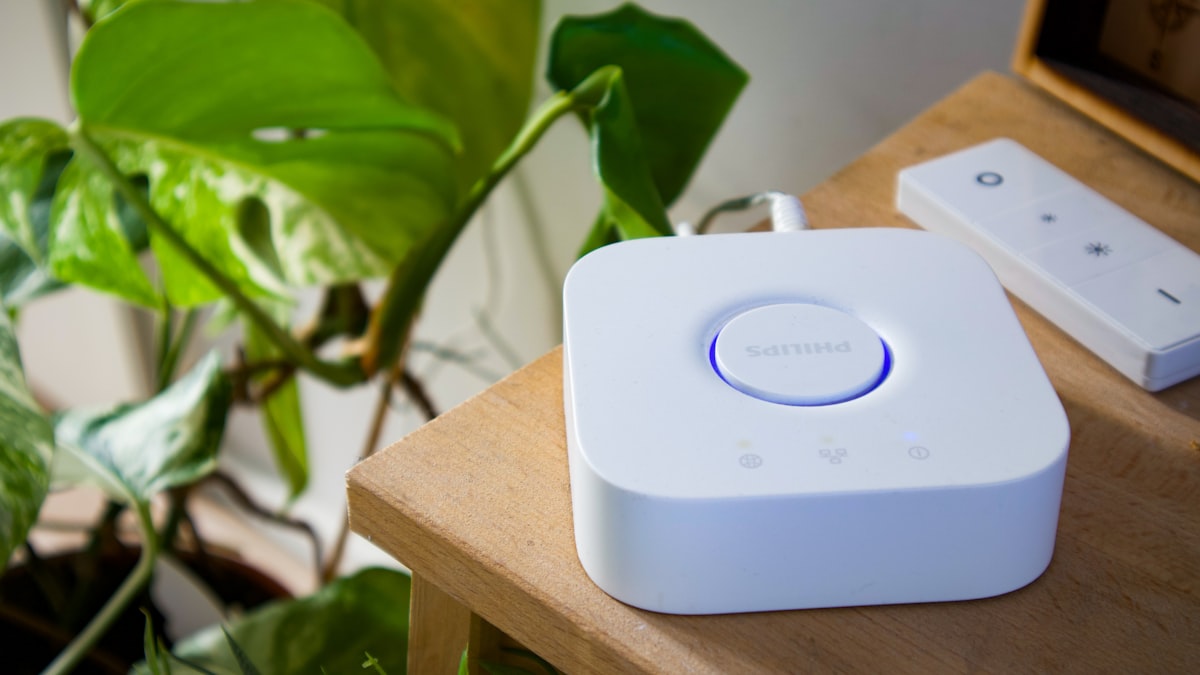
If you are just starting your smart home journey, consistency matters. Philips Hue is the gold standard for smart bulbs, while Lutron Caseta leads the smart switch market. Lutron’s Caseta switches are particularly popular because they do not require a neutral wire, making them perfect for older homes where electrical wiring is limited.
Proper planning ensures a reliable smart home. You can learn more about planning your setup in our guide on how to layer lighting.
Common Smart Lighting Mistakes
Buying too many ecosystems. Don’t buy Wi-Fi bulbs, Bluetooth plugs, and Zigbee switches. You will need three different apps to turn on the lights. Choose one platform (e.g., all Phillips Hue or all Lutron Caseta) and stick to it.
Ignoring the “always-on” rule. If you use smart bulbs, you need to “hide” the physical switch so people don’t turn it off. You can buy magnetic covers that snap over the switch, keeping it in the “on” position while still letting people flip it if they really need to.
Forgetting about bulb color. Smart bulbs are great, but are you really going to turn your living room neon purple? Most homeowners find they only ever use warm white (3000K) or neutral white (4000K). If you don’t need color, don’t pay for it. See our color temperature guide to see which white hues you actually prefer for your daily life.
Final Decision Matrix
- Do you want color? Smart Bulbs are the only answer.
- Does your room have 4+ bulbs on one switch? Smart Switches save you money.
- Are you renting? Smart Bulbs prevent lease violations (no wiring changes).
- Are you tired of guests turning off your smart home? Smart Switches are essential.
If you are automating a kitchen, check the best pendant lights for kitchen islands to pair with a new smart switch. For general automation tips, see our recessed vs track vs surface mount lighting guide to ensure your fixtures can actually handle smart control.


