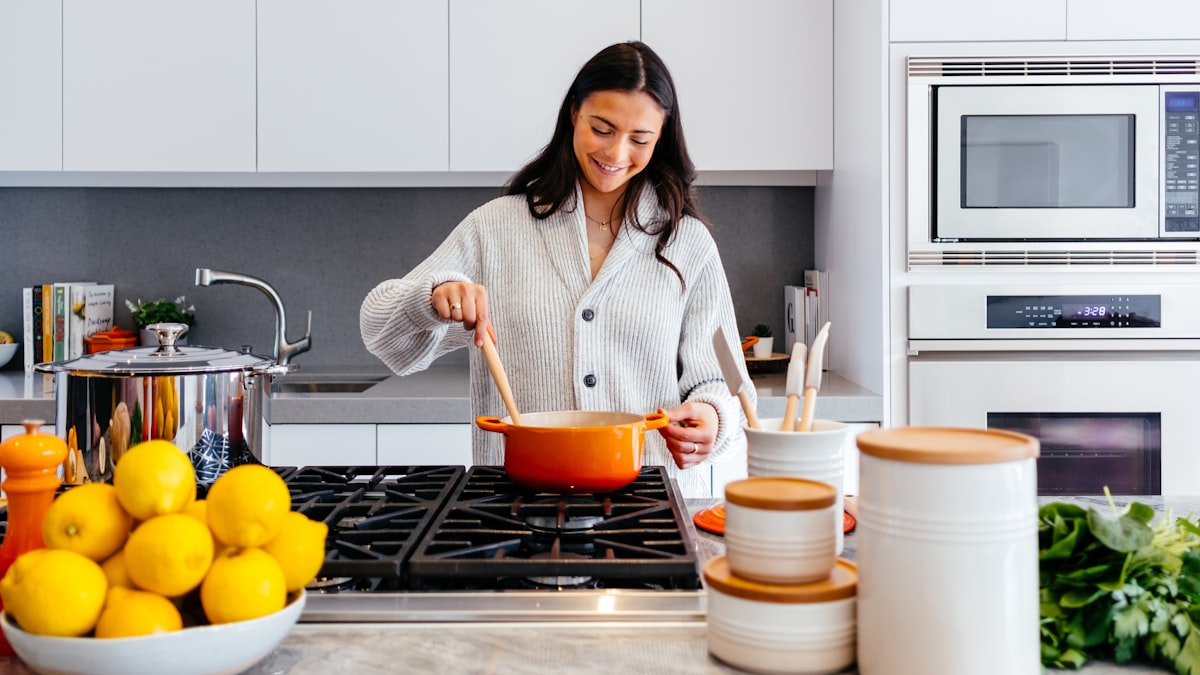
The Rejuvenation Hood Classic is the best overall pendant light for a kitchen island. It provides the highest quality downward-focused task lighting due to its spun-metal shade and heavy-duty brass construction, ensuring that prep surfaces remain shadow-free.
Proper lighting requires a balance between architectural scale and functional lumens. We recommend a minimum of 30 to 40 foot-candles on the counter surface for safe knife work and food preparation. This is achieved by selecting fixtures with high-wattage capacity or integrated LEDs with a Color Rendering Index (CRI) above 90.
At a Glance: Top Kitchen Island Recommendations
| Fixture Name | Best For | Price (USD) | Shade Material | Diameter |
|---|---|---|---|---|
| Rejuvenation Hood Classic | Overall Task Lighting | $349 | Solid Brass | 14 in (35.5 cm) |
| Schoolhouse Factory No. 4 | Industrial Durability | $299 | Spun Steel | 12 in (30.4 cm) |
| Visual Comfort Katie | Ambient Diffusion | $449 | Milk Glass | 13 in (33 cm) |
| Allied Maker Arc Pendant | Artisan Craftsmanship | $1,250 | Wood/Brass | 15 in (38.1 cm) |
| Cedar & Moss Alto | Minimalist Budgets | $249 | Spun Metal | 10 in (25.4 cm) |
| Arteriors Caviar Fixed | Statement Scale | $1,365 | Perforated Metal | 14 in (35.5 cm) |
1. Rejuvenation Hood Classic: The Gold Standard for Task Lighting
The Hood Classic is our top recommendation because it prioritizes the physics of light over decorative trends. The 14-inch (35.5 cm) wide shade is crafted from solid brass or aluminum, which acts as a total cutoff for lateral light. This ensures that every lumen is directed downward toward your cutting boards and stovetops.
The fixture uses a standard E26 medium base socket capable of handling up to 150 watts. For the best results, use a 3000K LED bulb with a high CRI. This color temperature mimics natural morning light, making ingredients look vibrant and accurate.
- Price: $349
- Dimensions: 14 in (35.5 cm) diameter; 10 in (25.4 cm) height.
- Takeaway: Best for islands where heavy food prep is the primary activity.
2. Schoolhouse Factory Light No. 4: Industrial Utility
If your kitchen features a farmhouse sink or reclaimed wood elements, the Factory Light No. 4 provides the necessary industrial weight. Unlike cheap replicas, this fixture is made of thick-gauge steel that will not dent or warp. The hand-painted stripes on the shade offer a subtle architectural detail without being distracting.
The interior of the shade is typically finished in a high-gloss white. White interiors maximize light reflection. Even with a lower-wattage bulb, the reflective coating ensures the island remains brightly lit while the rest of the room stays moody and atmospheric.
- Price: $299
- Dimensions: 12 in (30.4 cm) diameter; 8.5 in (21.5 cm) height.
- Takeaway: A durable choice for high-traffic kitchens with an industrial aesthetic.
3. Visual Comfort Katie Conical: Superior Ambient Light
Glass pendants are often criticized for creating glare. However, the Katie Conical uses thick milk glass that diffuses light rather than refracting it. This makes it the ideal choice for open-concept homes where the kitchen island is also used for dining or homework.
The glass allows a soft glow to permeate the room, which helps bridge the gap between the kitchen and the dining area. We recommend this for smaller kitchens. The transparency of the glass keeps the visual “weight” low, preventing the room from feeling crowded.
- Price: $449
- Dimensions: 13 in (33 cm) diameter; 15 in (38.1 cm) height.
- Takeaway: Best for multi-purpose islands requiring a mix of task and ambient light.
The Math of Lighting Design: Calculating Placement
We utilize specific formulas to determine how many pendants an island needs. Placing too many lights creates visual clutter, while too few leaves dark spots on your work surface.
The 12-Inch Rule
Measure the total length of your island in inches. Subtract 12 inches (30.4 cm) from each side to provide a “buffer” zone. This prevents people sitting at the ends of the island from bumping their heads into the fixtures.
Example Calculation:
- 60-inch (152 cm) Island: 60 - 24 = 36 inches (91.4 cm) of usable lighting space.
- Two 12-inch (30.4 cm) pendants would fit perfectly here with 12 inches (30.4 cm) of space between them.
Vertical Clearance
The bottom rim of the pendant should sit 30 to 36 inches (76 to 91 cm) above the counter surface. If you are taller than 6 feet (182 cm), we recommend leaning toward 36 inches (91 cm) to keep the light out of your direct line of sight.
Ceiling Height Adjustments:
- 8-foot (2.4 m) ceiling: 30 inches (76 cm) above counter.
- 10-foot (3 m) ceiling: 34-36 inches (86-91 cm) above counter.
- Vaulted ceilings: Use a rigid stem rather than a cord to prevent swaying from HVAC drafts.
4. Allied Maker Arc Pendant: The Luxury Specification
For high-end renovations, Allied Maker represents the pinnacle of American artisan lighting. The Arc Pendant combines hand-turned wood (White Oak or Walnut) with solid brass components. It is a sculptural object as much as a light source.
The Arc uses an integrated LED module rather than a bulb. Integrated LEDs are more efficient and last longer. The light source is recessed deep within the shade, providing exceptional glare control. This is a critical feature for “clean” modern kitchens where visible bulbs would ruin the aesthetic.
- Price: $1,250
- Dimensions: 15 in (38.1 cm) diameter; custom drop lengths available.
- Takeaway: The premier choice for custom architectural builds and luxury interiors.
5. Cedar & Moss Alto: Best for Minimalist Profiles
The Alto pendant is characterized by its “low-profile” canopy and spun-metal shade. It is designed to be unobtrusive. In kitchens with a lot of upper cabinetry or busy backsplashes, the Alto provides a needed “reset” for the eyes.
The socket is an E26 medium base, but the shade is narrower than the Hood Classic. Use a G25 globe bulb for this fixture. A standard A19 bulb will look too small inside the shade and may cause uneven light distribution.
- Price: $249
- Dimensions: 10 in (25.4 cm) diameter; 10 in (25.4 cm) height.
- Takeaway: Ideal for minimalist designs where the light should disappear into the architecture.
Material Science: Why Brass and Steel Outperform Plastic
We advise against plastic or lightweight resin pendants for kitchen environments. The kitchen is a high-heat, high-moisture zone. Airborne grease particles will bond to plastic, causing it to yellow or become brittle over time.
- Solid Brass: Naturally antimicrobial and heavy. It will develop a patina over time unless lacquered. It is the gold standard for longevity.
- Spun Steel: Extremely impact-resistant. Ideal for households with children or high activity.
- Borosilicate Glass: Heat-resistant and easy to clean with basic degreasers. Avoid thin “seeded” glass as it can be fragile and difficult to dust.
Maintenance Tip: We recommend wiping down metal shades once a month with a dry microfiber cloth. For grease buildup, use a mixture of warm water and a pH-neutral dish soap. Never use abrasive scrubbers on plated finishes (like polished nickel) as they will scratch the surface.
6. Arteriors Caviar Fixed: The Statement Piece
Designed by Laura Kirar, the Caviar pendant utilizes a perforated metal sphere that creates a unique light pattern on the ceiling while still focusing a strong beam downward. It is a “fixed” pendant, meaning it uses a rigid rod rather than a wire, which ensures the light stays perfectly centered.
Perforated metal provides “layered” lighting. The small holes allow a percentage of light to escape horizontally, creating a warm glow around the fixture itself. This prevents the “spotlight” effect that can sometimes make a kitchen feel like a laboratory.
- Price: $1,365
- Dimensions: 14 in (35.5 cm) diameter; 19 in (48.2 cm) height.
- Takeaway: Best for kitchens that double as high-end entertaining spaces.
Understanding Color Temperature (Kelvin)
The most common mistake we see in kitchen lighting is the use of “Daylight” bulbs (5000K+). These bulbs emit a blue-heavy light that makes food look unappealing and creates a sterile, cold environment.
- 2700K (Warm White): Best for traditional kitchens with lots of wood. It creates a cozy, candle-lit feel.
- 3000K (Soft White): The “Designer Standard.” It is crisp enough for task work but warm enough for a comfortable atmosphere.
- 3500K (Neutral White): Ideal for ultra-modern, all-white kitchens. It keeps whites looking pure without the blue tint of higher Kelvins.
Always look for the CRI rating. A CRI of 90 or higher ensures that red tones (like those in meat or strawberries) look vibrant and true-to-life. Lower CRI bulbs (80 and below) can make fresh produce look grey or washed out.
Comparison of Shade Opacity and Light Quality
| Opacity Level | Material | Light Character | Primary Use |
|---|---|---|---|
| Opaque | Brass/Steel | Focused beam, no lateral light | Heavy prep/Task work |
| Translucent | Milk Glass | Diffused glow, soft shadows | Dining/General ambient |
| Transparent | Clear Glass | Hard shadows, visible bulb | Decorative/Minimalist |
| Perforated | Punched Metal | Patterned light, textural | Statement/Atmosphere |
Electrical Requirements: Dimming and Wiring
Kitchen pendants should always be on a dedicated dimmer switch. This allows you to transition the space from a bright “work zone” during the day to a “mood zone” during dinner.
Switch Compatibility:
- ELV (Electronic Low Voltage): Required for most high-end integrated LED pendants.
- TRIAC/Leading Edge: The standard for incandescent or screw-in LED bulbs.
- 0-10V Dimming: Found in some commercial-grade integrated fixtures; requires extra wiring.
Check your driver. If you are buying a fixture with an integrated LED (like the Allied Maker Arc), ensure your electrician knows whether the driver is located in the canopy or if it requires a remote location. High-profile canopies often hide the driver, but ultra-slim “minimalist” canopies may require a deep junction box.
The Linear Layout: Two vs. Three Pendants
The “Rule of Three” is a common design trope, but it is not a universal law. For islands under 6 feet (182 cm), three pendants will feel crowded.
- 4-6 foot (1.2-1.8 m) Island: Two larger pendants (12-16 inches / 30-40 cm wide). This provides a balanced, symmetrical look.
- 7-10 foot (2.1-3 m) Island: Three medium pendants (10-14 inches / 25-35 cm wide). This fills the horizontal plane without creating gaps in the light.
- 12+ foot (3.6 m) Island: Consider a “Linear Suspension” (a single long fixture) instead of individual pendants to simplify the wiring and the visual profile.
Final Expert Verdict
For the homeowner who values functional performance and timeless design, the Rejuvenation Hood Classic remains the superior choice. Its ability to shield the eye from glare while flooding the counter with high-quality light is unmatched at its price point.
If the budget allows for artisan quality, the Allied Maker Arc offers a level of material integrity and integrated technology that represents the future of residential lighting. For those on a stricter budget, the Cedar & Moss Alto provides the same downward-focused logic in a more compact, affordable package.
Summary Recommendation:
- Best for Cooking: Rejuvenation Hood Classic ($349).
- Best for Open Floor Plans: Visual Comfort Katie ($449).
- Best for Modern Design: Allied Maker Arc ($1,250).
- Best for Small Spaces: Cedar & Moss Alto ($249).


